Chat with us, powered by LiveChat

Gynecomastia Treatment in Miami (Male Breast Reduction)

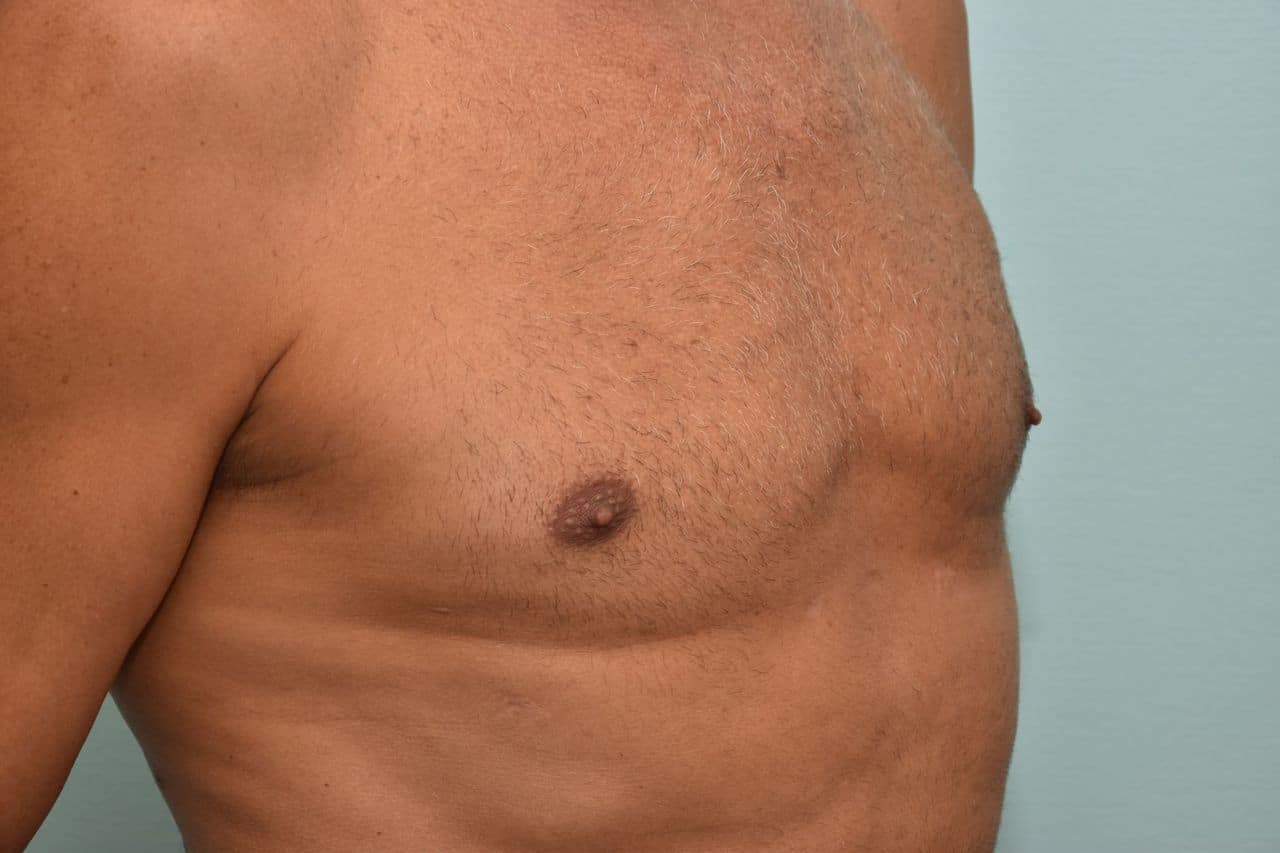
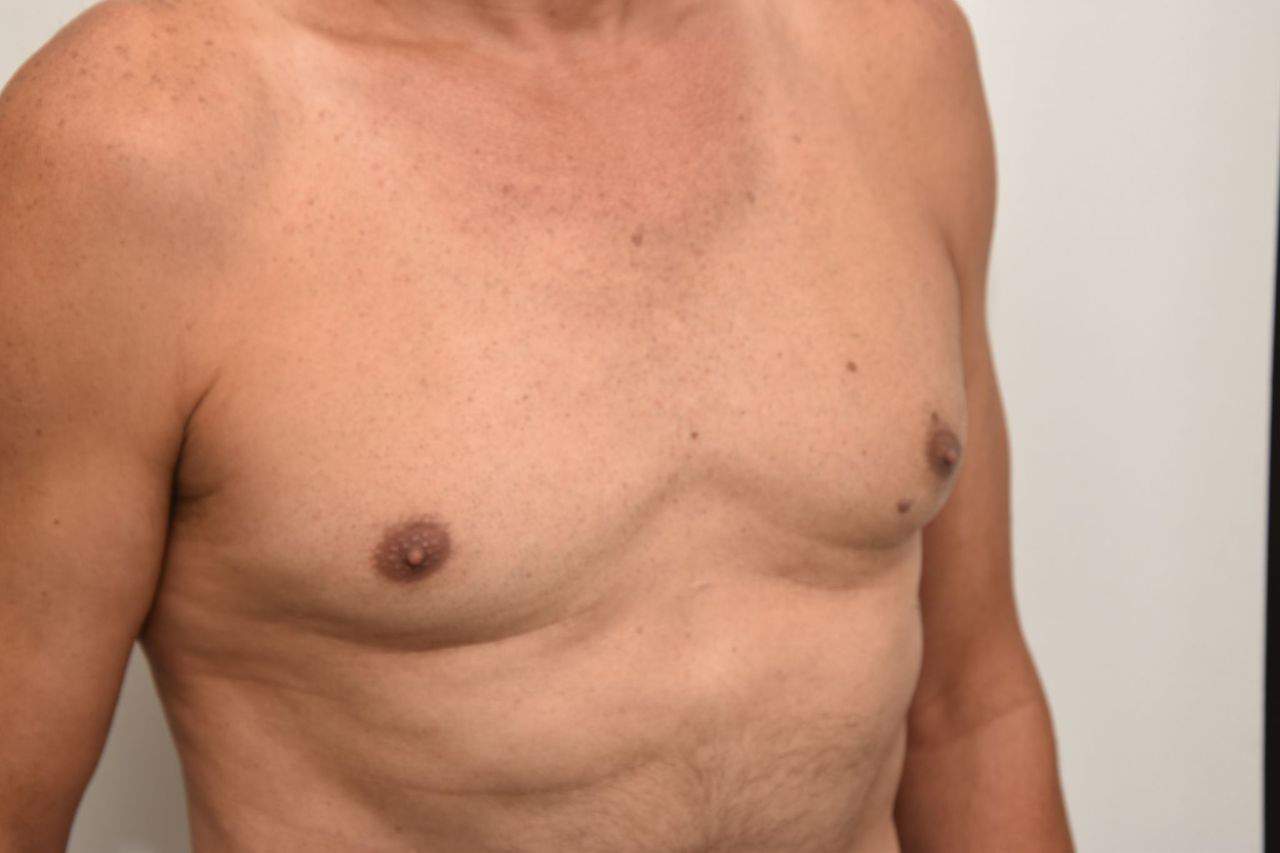
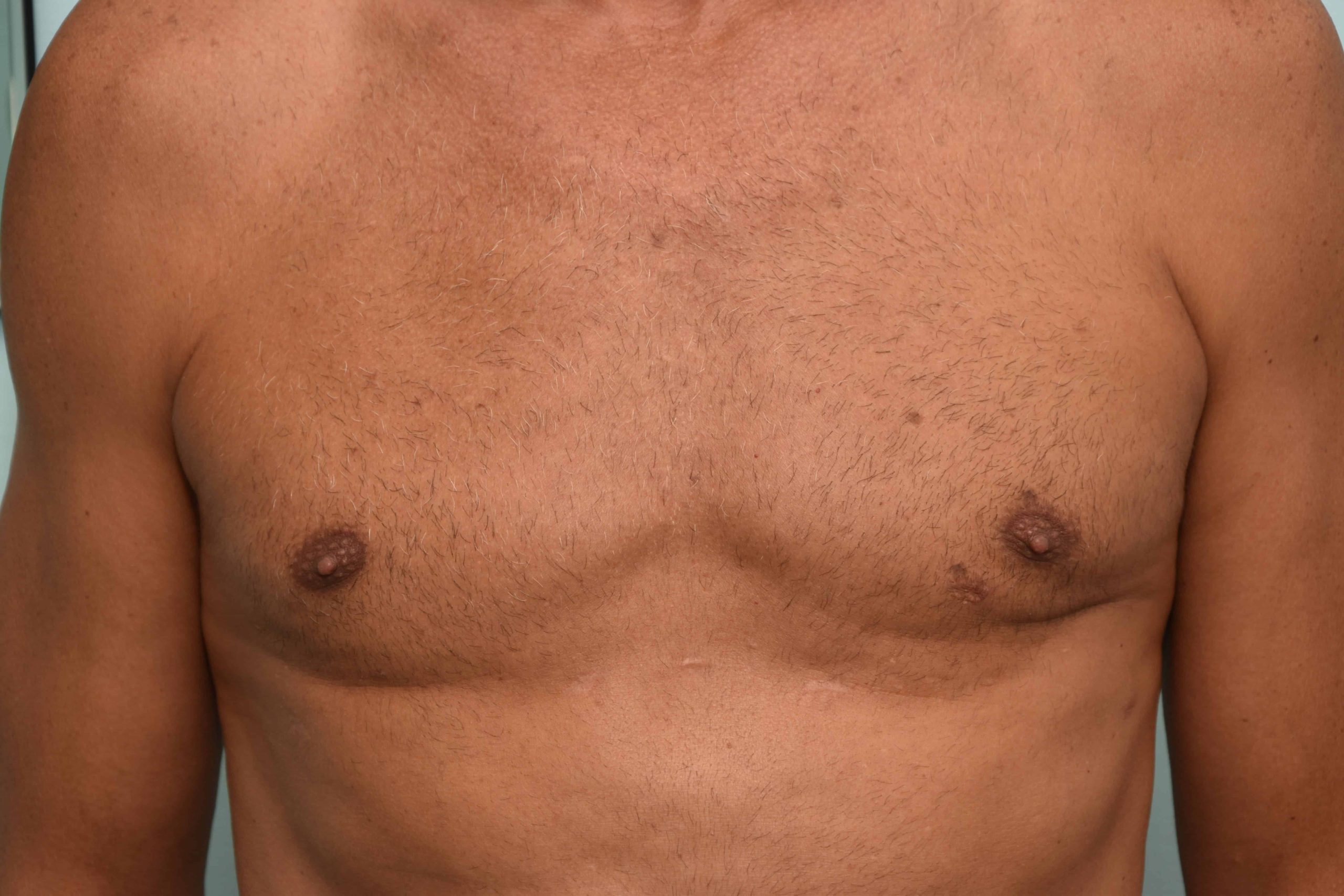
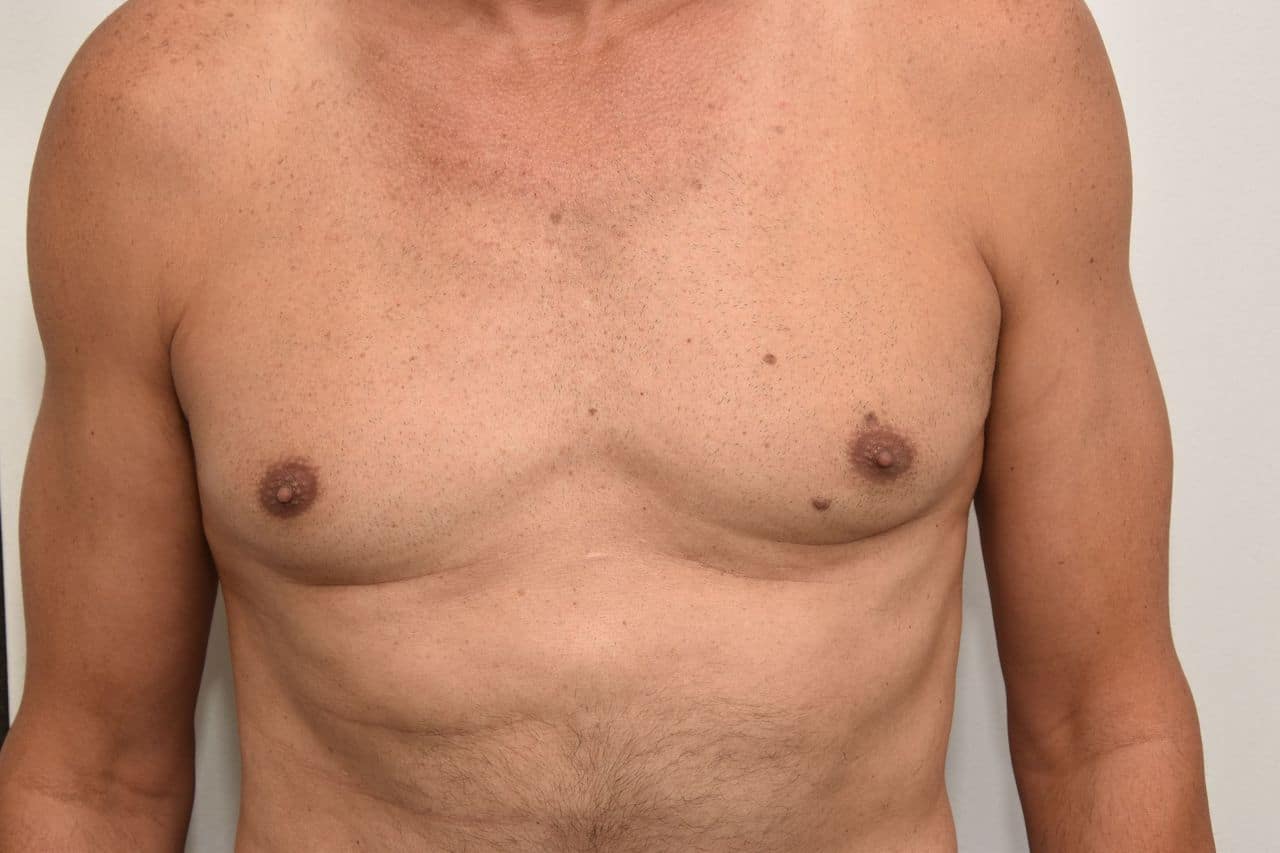
Gynecomastia treatment in Miami, also called male breast reduction, is a surgical option for men with enlarged breast tissue or excess fat in the chest area. The goal is to reduce excess tissue and improve chest contour in a way that fits the patient’s anatomy.

Gynecomastia may involve glandular breast tissue, fatty tissue, loose skin, or a combination of these factors. Dr. Carlos Spera evaluates each patient individually to review symptoms, medical history, possible causes, surgical options, risks, recovery, and realistic expectations.

What is gynecomastia?

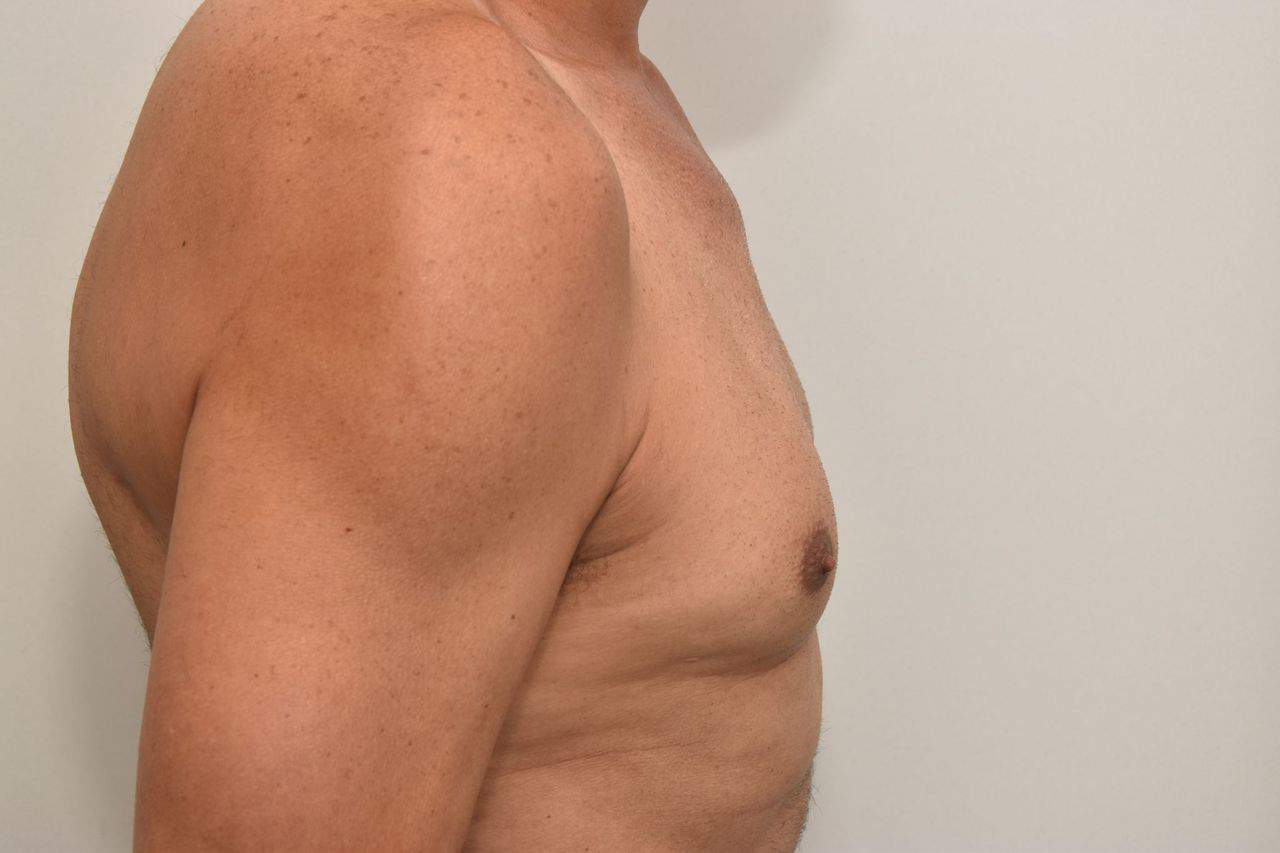
Gynecomastia is enlargement of male breast tissue. It can affect one or both sides of the chest and may appear as fullness beneath the nipple-areola area, excess chest fat, or a more developed breast shape.

Some patients feel tenderness, firmness, or asymmetry, while others are mainly concerned about chest contour. A consultation helps determine whether the concern is primarily glandular tissue, fat, skin laxity, or another medical issue that should be evaluated.

How do I know if I have gynecomastia?

Gynecomastia can feel like a firm or rubbery area beneath the nipple or areola. It may be tender and may occur on one side or both sides. Chest fullness caused mostly by fat can look similar, which is why an exam is important.

Patients should seek medical evaluation for a hard mass, nipple discharge, skin changes, rapidly changing symptoms, enlarged lymph nodes, or other concerning findings. Dr. Spera reviews your symptoms and exam findings and may recommend medical evaluation or imaging when appropriate.

What causes gynecomastia?

Gynecomastia can be related to hormone changes, genetics, weight change, aging, medications, anabolic steroid use, marijuana use, supplements, liver or kidney disease, thyroid issues, or other medical conditions. In some patients, no single cause is identified.

Because causes vary, consultation includes a review of medications, supplements, health history, weight stability, and the timing of chest changes. Treating an underlying medical issue may be important before considering surgery.

How is gynecomastia treated in Miami?

Treatment depends on the cause and the type of tissue involved. If gynecomastia is related to medication, supplements, hormones, or another medical issue, those factors should be reviewed first with the appropriate clinician.

When enlarged chest tissue is persistent and surgery is appropriate, male breast reduction may involve liposuction, glandular tissue excision, skin removal, or a combination of techniques. Weight loss alone may reduce fatty chest fullness, but it may not remove glandular breast tissue.

Schedule Your Consultation Now

How is male breast reduction surgery in Miami performed?

Male breast reduction technique is based on the amount of fat, glandular tissue, skin laxity, nipple position, and chest contour goals. Liposuction may be used to reduce fatty tissue and smooth the chest. Excision may be used to remove firmer glandular tissue through an incision near the areola or another planned location.

Some patients need both liposuction and excision. Patients with significant skin excess may require additional skin tightening or skin removal. Dr. Spera explains the incision plan, scar expectations, and recovery instructions during consultation.

What are the risks of male breast reduction surgery?

Gynecomastia surgery has risks, including bleeding, infection, scarring, fluid collection, contour irregularity, asymmetry, changes in nipple sensation, delayed healing, skin changes, undercorrection, overcorrection, and anesthesia-related complications.

Scars are expected when incisions are used. Scar visibility varies based on incision location, healing, skin type, and aftercare. Dr. Spera reviews your individual risks and whether additional evaluation is recommended before surgery.

What is recovery after male breast reduction like?

Recovery depends on the technique used. Swelling, bruising, tenderness, tightness, and temporary numbness are common early after surgery. A compression garment may be recommended to support healing and help control swelling.

Many patients return to light daily activity before they return to heavy lifting, chest workouts, or strenuous exercise. Dr. Spera provides specific instructions for incision care, garment use, medications, follow-up visits, and activity limits.

Why choose Dr. Carlos Spera for gynecomastia treatment in Miami?

Dr. Carlos Spera is a board-certified plastic surgeon serving Miami and Doral patients considering gynecomastia treatment. He evaluates whether the concern is glandular tissue, fatty tissue, loose skin, or a combination, then discusses surgical and non-surgical considerations based on the patient’s anatomy and health history.

If you are considering male breast reduction in Miami, schedule a consultation to review candidacy, technique options, scarring, risks, recovery, and realistic expectations.

Frequently Asked Questions

Gynecomastia surgery, or male breast reduction, reduces enlarged male breast tissue or chest fullness when surgery is appropriate. It may involve liposuction, glandular tissue excision, skin removal, or a combination of techniques.

Candidates are usually in good overall health, have stable weight, and have persistent chest fullness related to glandular tissue, fat, skin laxity, or a combination. Dr. Spera reviews medical history, medications, symptoms, and goals during consultation.

The procedure may use liposuction to remove fatty tissue, excision to remove firmer glandular tissue, or both. Skin removal may be discussed when skin laxity is significant. The plan depends on anatomy and goals.

Recovery varies. Swelling, bruising, tenderness, and tightness are common early. A compression garment and activity limits may be recommended, and strenuous exercise is usually delayed until Dr. Spera clears you.

Incisions create scars. Scar location depends on the technique used, often near the areola for glandular tissue removal. Scars usually change over time but do not disappear completely.

Removed tissue does not grow back in the same way, but chest contour can change with weight gain, hormones, medications, supplements, aging, or medical conditions. Maintaining stable health habits can help protect results.

Dr. Carlos Spera provides individualized gynecomastia consultations for Miami and Doral patients. He reviews anatomy, possible causes, treatment options, risks, scars, recovery, and realistic expectations before recommending a plan.

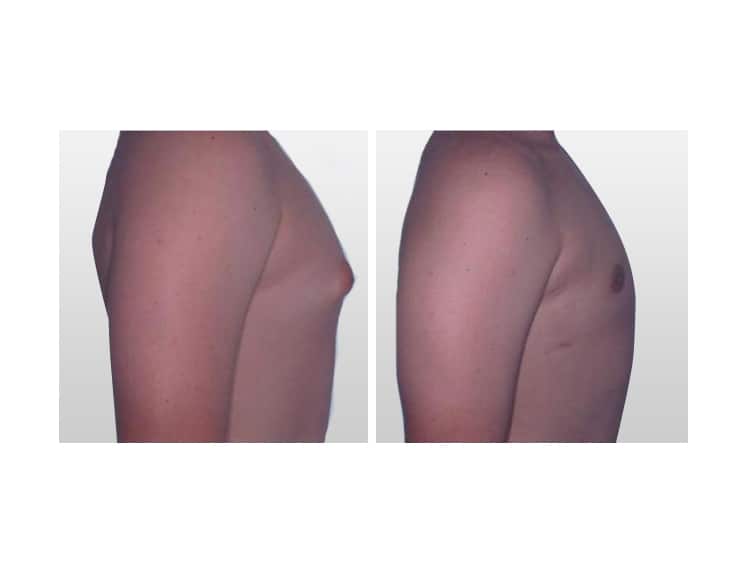
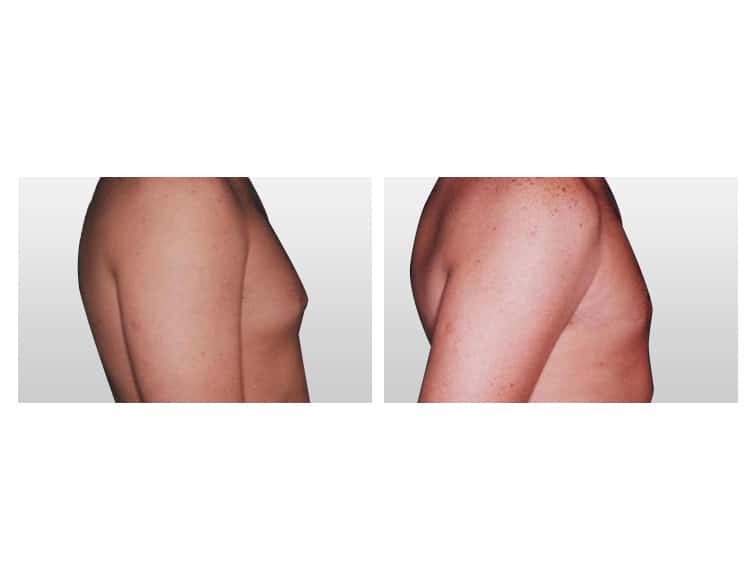
Before and Afters

Schedule Your Consultation
Dr. Spera

Please complete the form below to have a representative contact you promptly about our services.