Chat with us, powered by LiveChat
ESPAÑOL

Otoplasty in Miami (Ear Surgery)

Otoplasty, also called ear reshaping surgery, changes the shape, position or proportion of the outer ear. Dr. Carlos Spera evaluates your ear anatomy, goals and medical history to discuss appropriate options and their limits.

This page covers candidacy, the consultation, risks, recovery and how to request an individualized quote. Ear surgery does not guarantee symmetry, scar-free healing or a particular appearance.

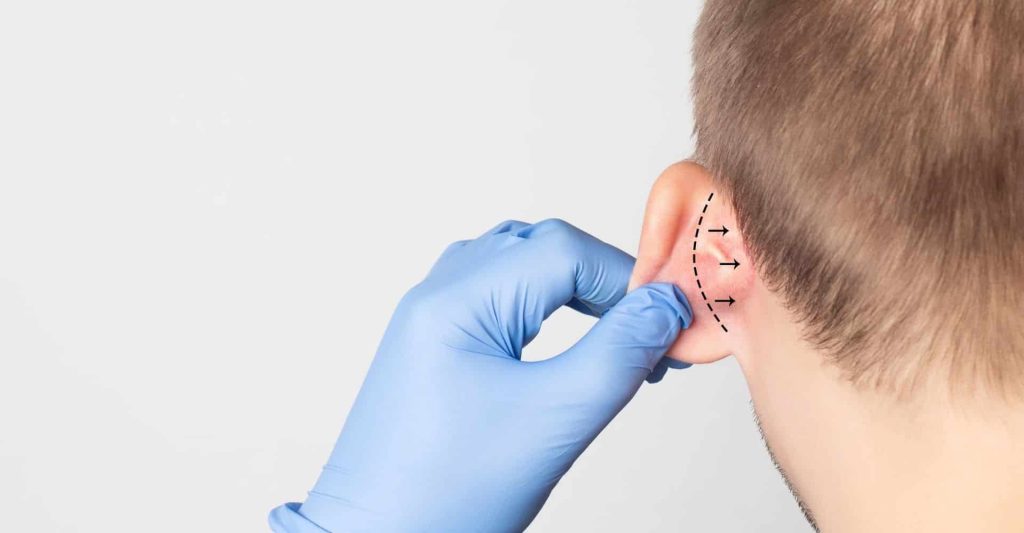
Illustrative ear examination with markings behind the ear for an otoplasty discussion

What is otoplasty or ear surgery?

Otoplasty treats selected concerns about the outer ear, such as prominence, shape or asymmetry. The operation is planned around the individual ear rather than a single ideal measurement. The ASPS ear surgery overview explains the general purpose of the procedure.

Who is a good candidate for otoplasty or ear surgery in Miami?

An assessment may be helpful if you are concerned about the shape, position or proportion of your ears. Your health, ear development, previous surgery, goals and ability to follow aftercare instructions affect whether surgery is appropriate.

For a child or teenager, ask the office whether the practice treats that age group and what additional assessment is required. Age alone does not determine readiness, and this page is not a recommendation for a specific child.

How is an otoplasty or ear surgery procedure performed?

The surgical approach depends on the ear anatomy and the correction being considered. Incisions, cartilage reshaping and sutures may be part of the plan. Discuss the proposed technique, anesthesia, likely scars and alternatives during consultation rather than assuming that a named technique suits everyone.

How do I prepare for otoplasty or ear surgery procedure?

Before you undergo otoplasty or ear surgery in Miami, you need to undergo consultation first. Initially, you will be talking to Dr. Carlos Spera—a plastic surgeon in Miami about the procedure itself. During your initial consultation, he will likely:

  • Look at your medical history. You need to prepare yourself to answer some questions regarding your current and past medical conditions, especially when you have an ear infection. You should also talk about the medications you are currently taking or have taken recently, as well as any plastic surgery you had.
  • Do a physical examination. Dr. Carlos Spera needs to determine your treatment options. He will examine your ears, including their ideal placement, size, symmetry, and shape. He will most likely take pictures of your ears for your medical record.
  • Discuss your realistic expectations. In the initial consultation, you need to explain why you need to undergo otoplasty or ear surgery and what you are hoping for in terms of physical outcome after the plastic surgery procedure. Ensure that you fully understand the underlying risks, such as possible overcorrections.

If you are an ideal candidate for otoplasty or ear surgery in Miami, Dr. Spera may recommend you take some steps to prepare before you undergo the actual procedure.

  • Food intake and medication. You will most likely avoid aspirin, anti-inflammatory drugs, and herbal supplements, that can increase bleeding.
  • Other precautionary measures. Right before you undergo the plastic surgery procedure, you are most likely need to stop smoking as it significantly decreases the blood flow in your skin and can slow down the healing process.

Make sure that you make plans to someone who will drive you home following the plastic surgery procedure and stay with you for the first night after the otoplasty or ear surgery procedure.

Schedule Your Consultation Now

What are the risks and complications of otoplasty or ear surgery in Miami?

Otoplasty has potential complications, including bleeding or hematoma, infection, anesthesia risks, altered sensation, pain, wound-healing problems, asymmetry and unfavorable scars. Further surgery may be needed. The risks and alternatives should be discussed before you decide whether to proceed.

The ASPS ear surgery risk information provides a general overview; it does not replace your own assessment.

What should I expect during otoplasty recovery?

Swelling, bruising and discomfort can occur during recovery. Dressings or a headband may be used according to your surgical plan. Your team should explain wound care, medications, follow-up visits and when you may return to work, school, exercise and contact sports.

Do not remove dressings or restart activities based only on an online timetable. Follow your individual instructions and contact the surgical team about unexpected symptoms or concerns. Read the ASPS ear surgery recovery guidance for questions to discuss before surgery.

Why choose us?

Recipients of otoplasty or ear surgery in Miami can attest to its benefits and its impact on boosting their comfort with appearance. Otoplasty or ear surgery gives immediate and durable results in correcting your protruding ears and other related concerns. If you are not satisfied with the way your ears look and you want to make changes to them, undergoing otoplasty or ear surgery might be the answer!

Are you in Miami and wanted to undergo otoplasty or ear surgery? Do not hesitate to reach out to Dr. Carlos Spera—a plastic surgeon in Miami through the contact information provided below to begin your journey in achieving beautiful-looking ears. We already performed countless successful plastic surgery procedures, leaving a legacy of having a high satisfaction rate from our clients. We are looking forward to serving you and being part of our success story with us soon! 

Learn about Dr. Spera’s background and the practice locations before planning your consultation.

How much does otoplasty cost in Miami?

The practice publishes an estimate for bilateral otoplasty on its plastic surgery price list. Bilateral means both ears; do not treat that figure as a per-ear price or assume it applies to a different operation.

Ask for a personalized, itemized quote and confirm which surgeon, anesthesia, facility and follow-up charges are included. The consultation is also the time to discuss payment options and whether the proposed correction fits your goals.

Frequently Asked Questions

Otoplasty reshapes or repositions selected parts of the outer ear. The plan depends on your anatomy and goals; a particular appearance or level of satisfaction cannot be guaranteed.

A consultation reviews your health, ear anatomy, previous surgery, goals and ability to follow aftercare instructions. For a child or teenager, confirm that the practice treats that age group and ask what assessment is required.

Incisions, cartilage reshaping and sutures may be used, depending on the plan. Ask Dr. Spera to explain the proposed approach, anesthesia, scar location and alternatives for your ears.

Recovery varies. Follow your surgical team’s instructions for dressings, wound care, medications, activity and follow-up visits. Ask for individualized guidance on returning to work, school or sports.

Otoplasty may leave scars. Their position and appearance depend on the technique and healing. Scars are not guaranteed to be invisible, and your surgeon should discuss the expected incision locations.

The reshaped ear may remain changed over time, but healing, injury and other factors can affect the result. No lifetime guarantee applies, and revision surgery may sometimes be considered.

Dr. Carlos Spera discusses ear anatomy, goals, options, risks and recovery during an individual consultation. Review his background and ask about relevant experience and the care plan proposed for you.

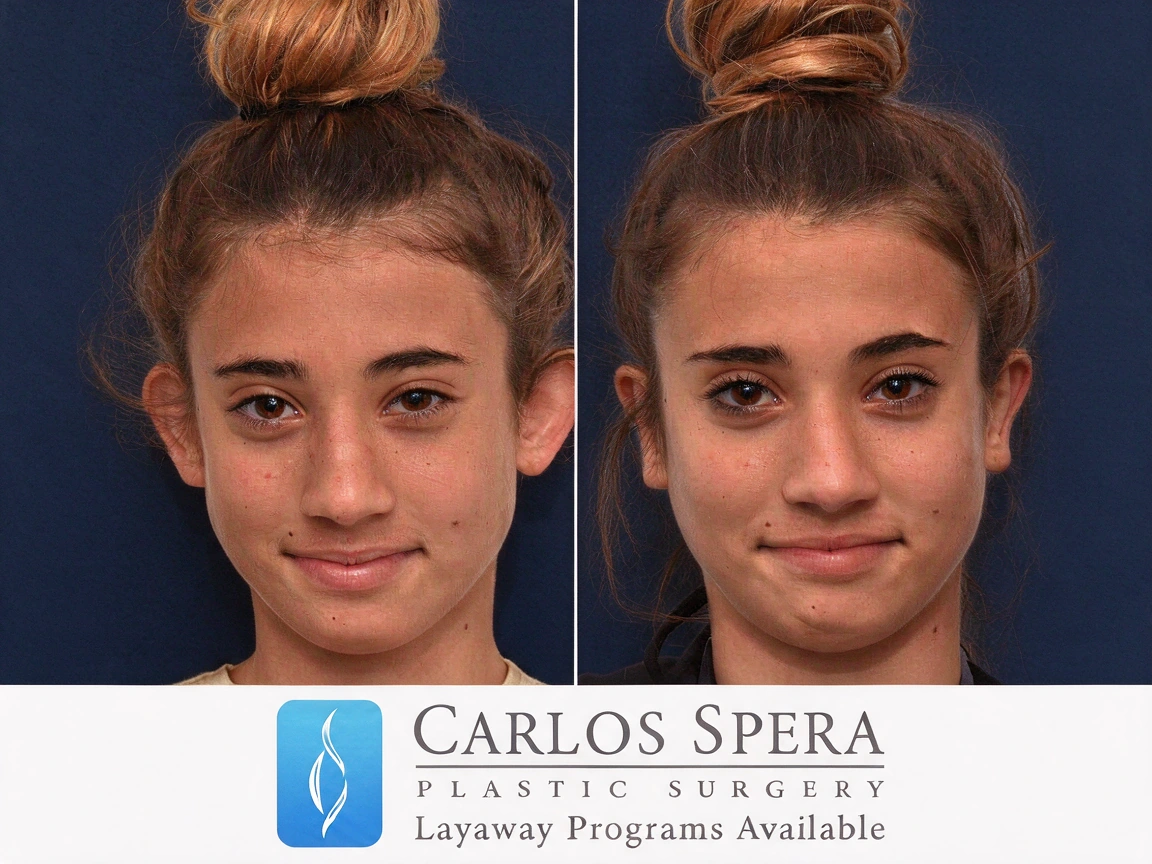
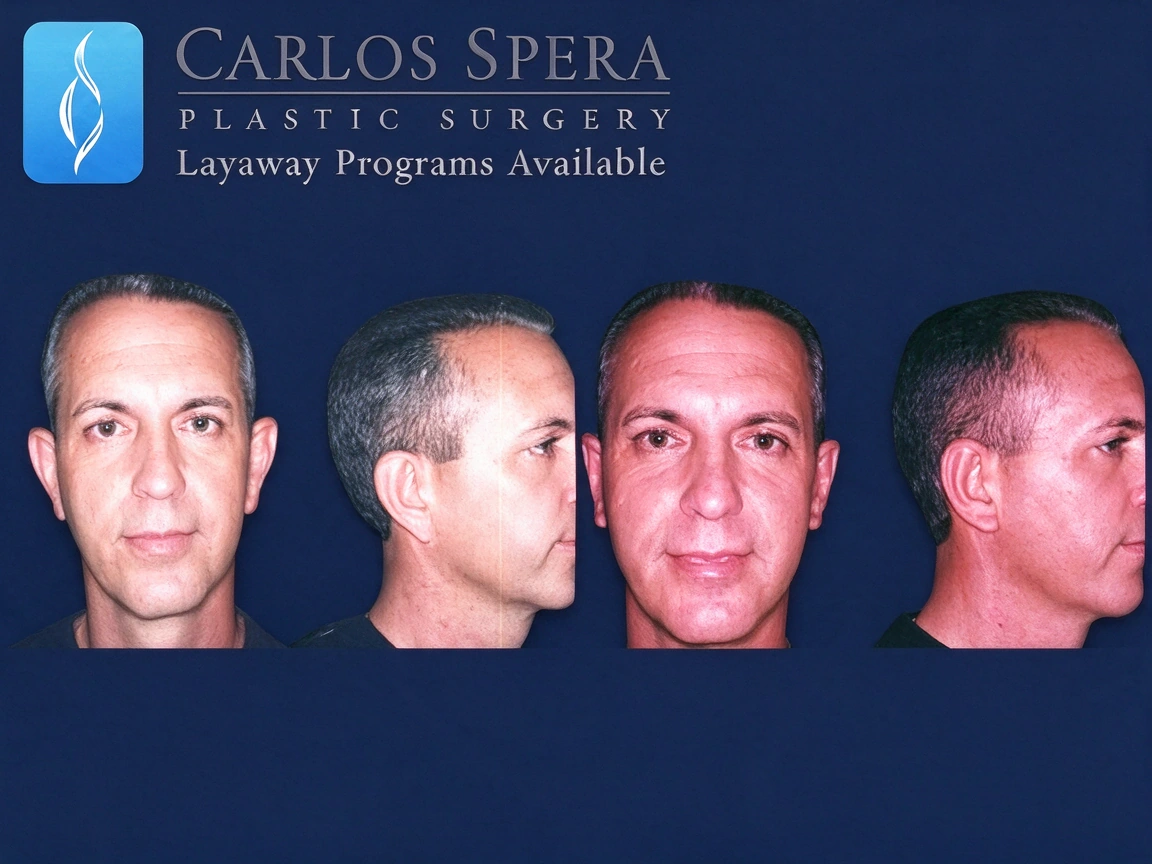
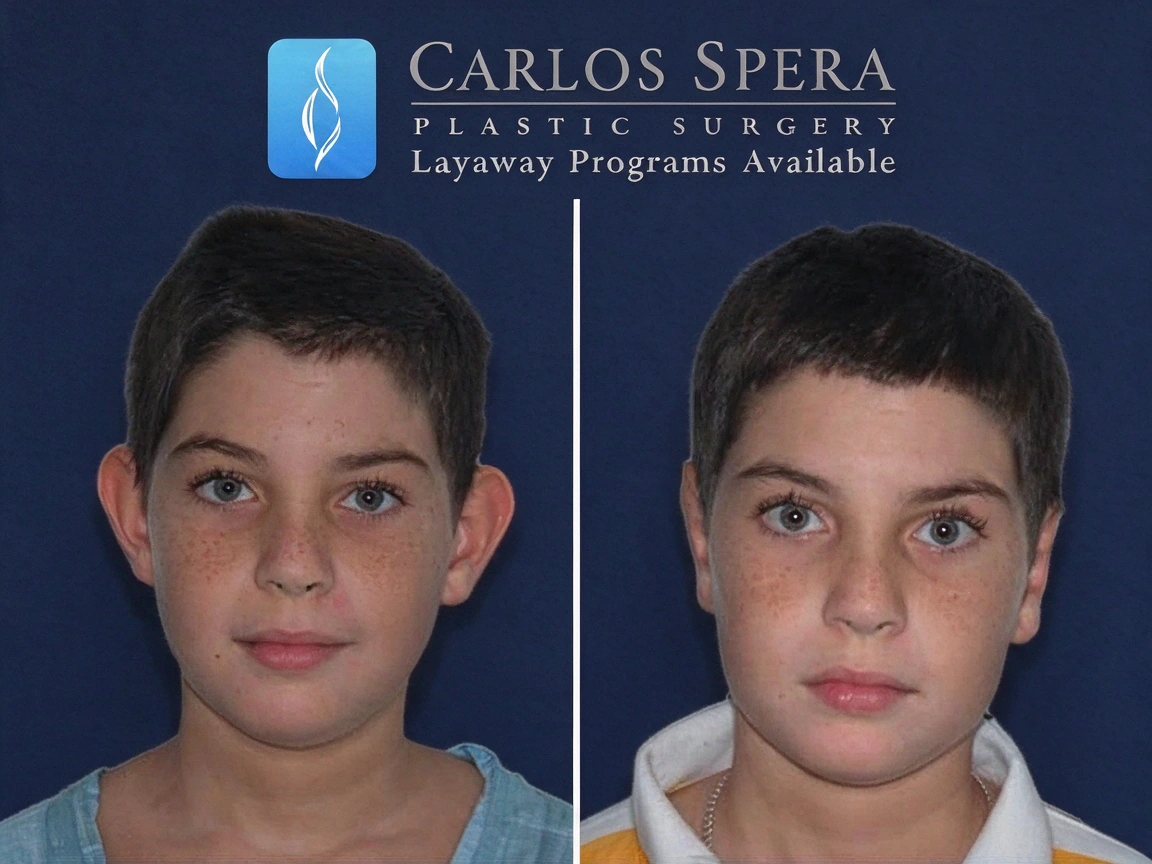
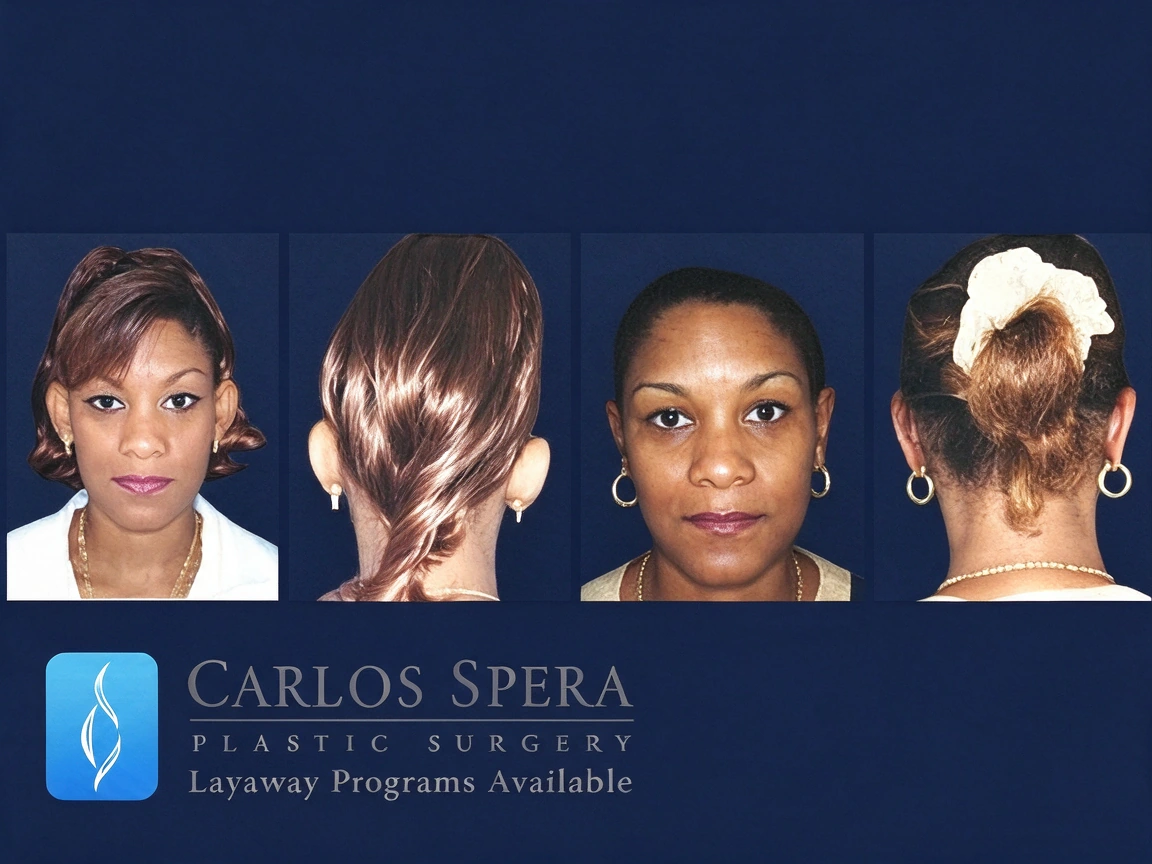
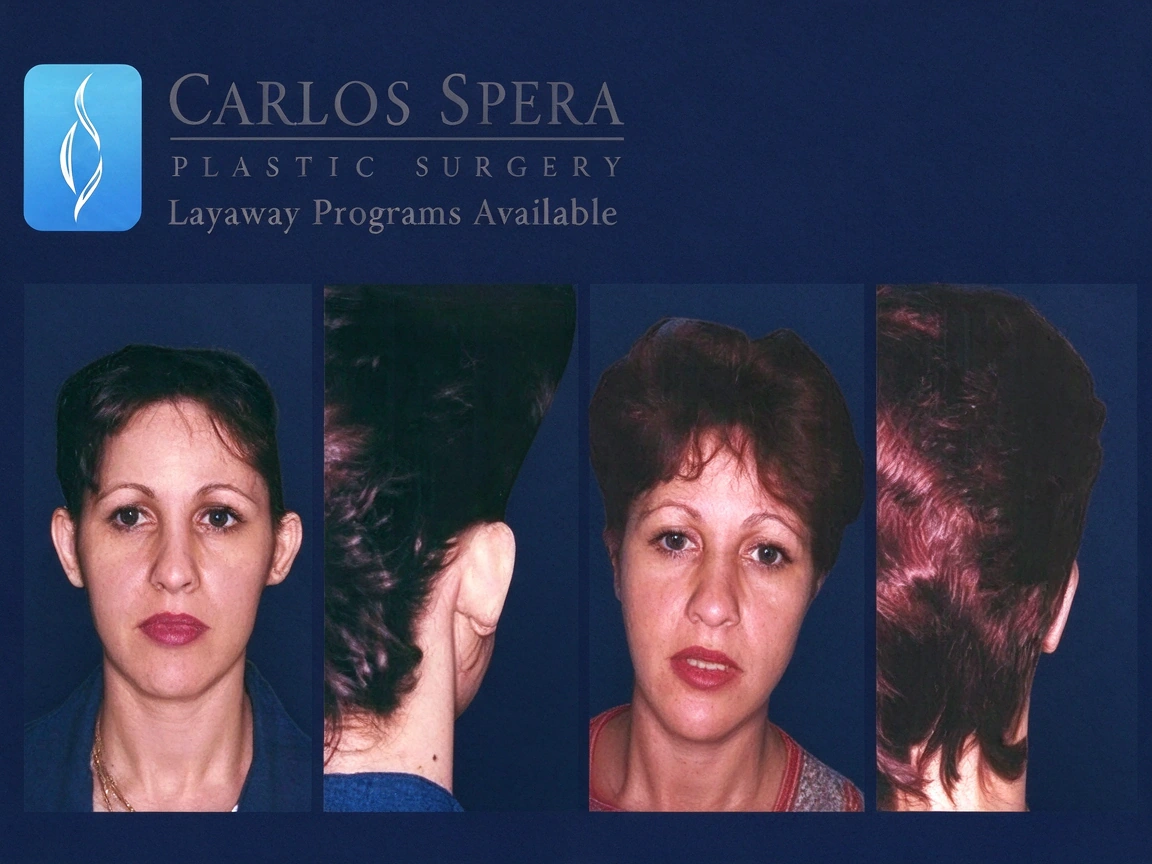
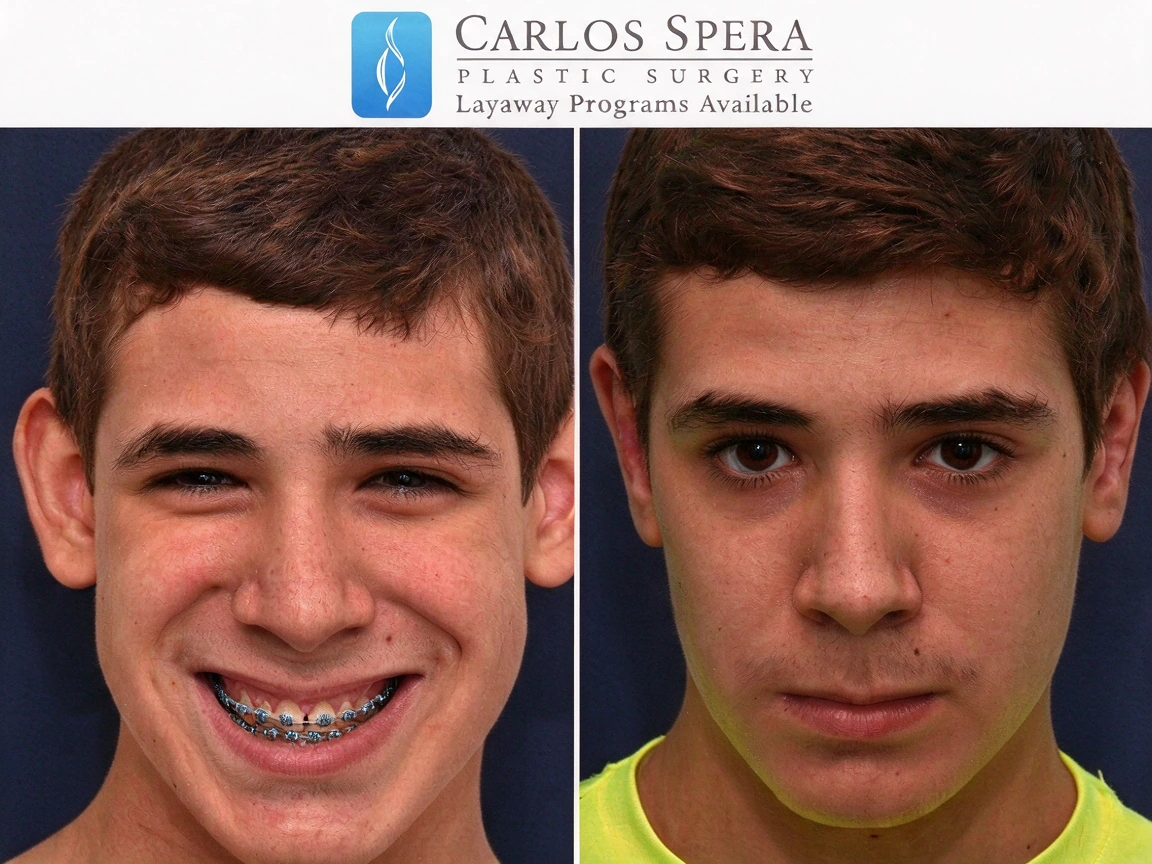
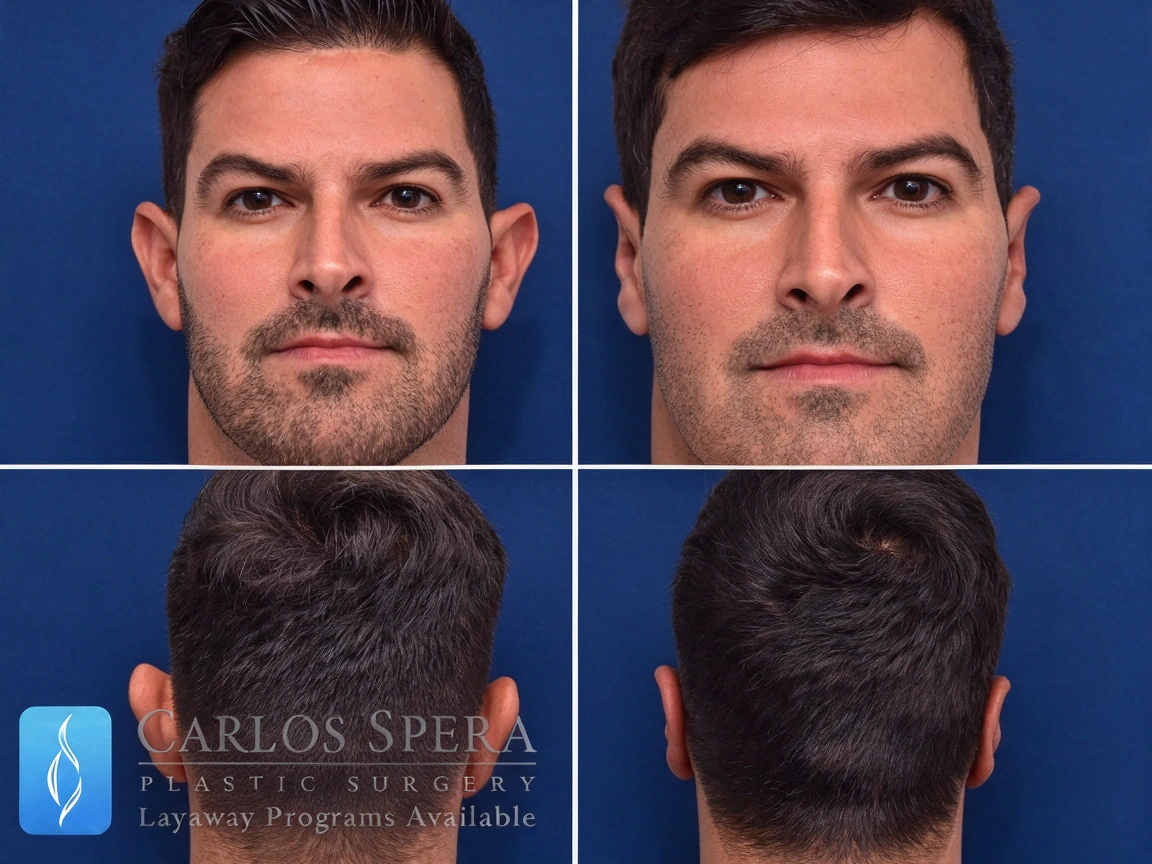
Before and Afters

Schedule Your Consultation
Dr. Spera

Please complete the form below to have a representative contact you promptly about our services.