Chat with us, powered by LiveChat Paramount Pixel

Facelift in Miami (Rhytidectomy)

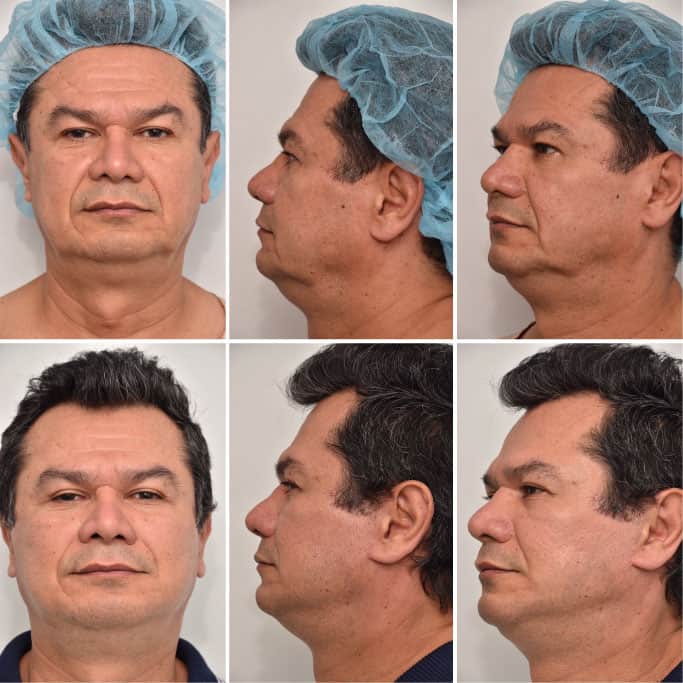
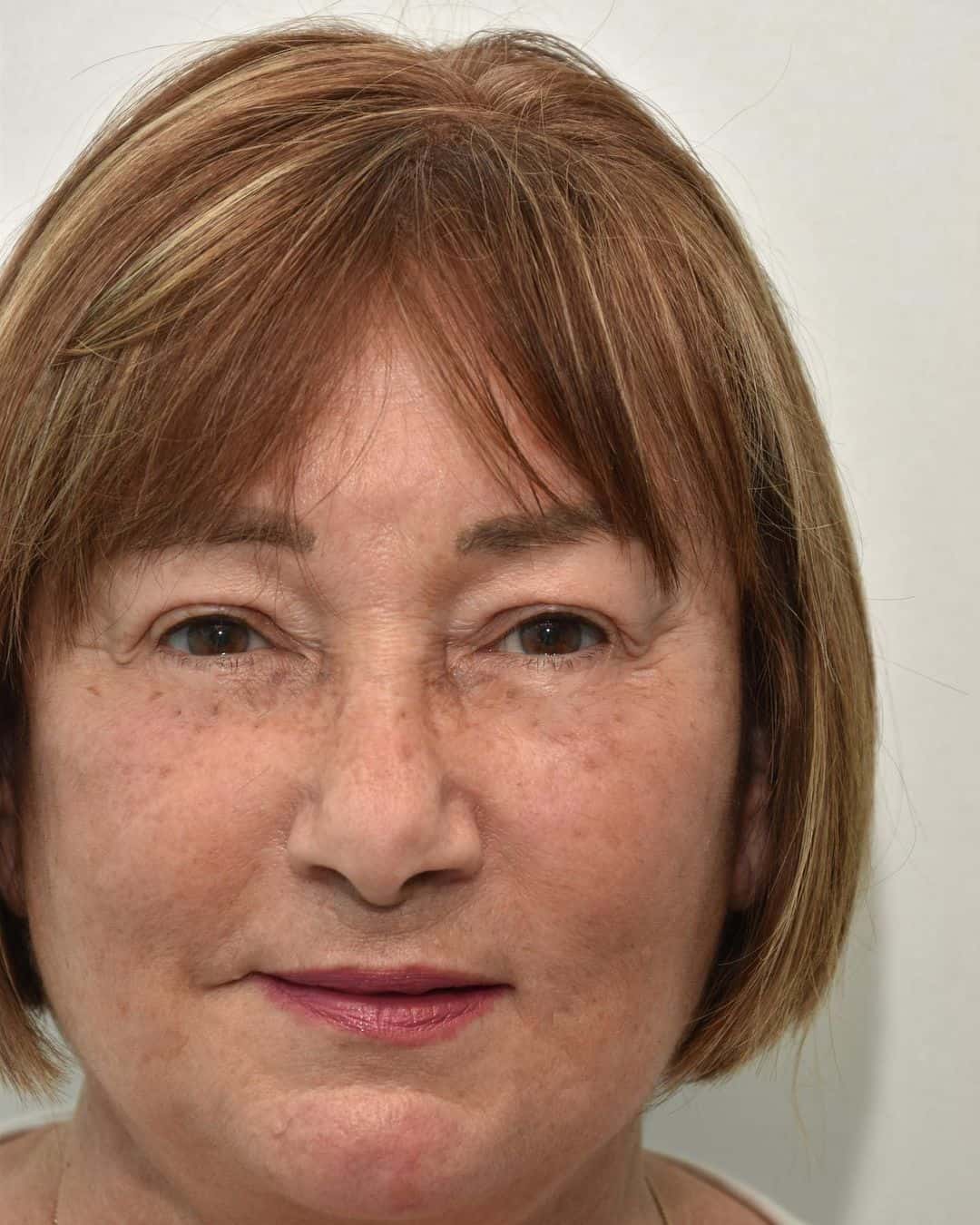
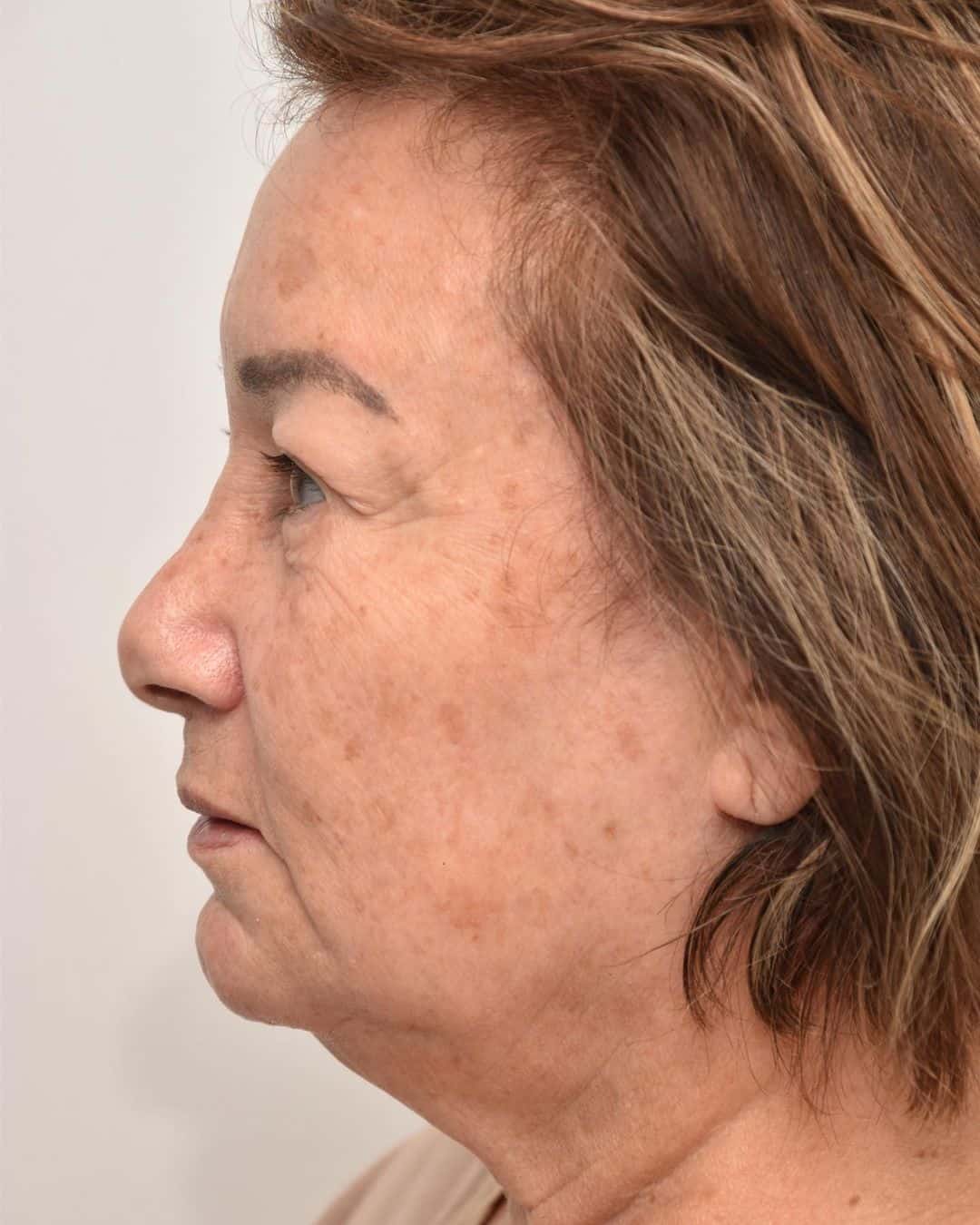
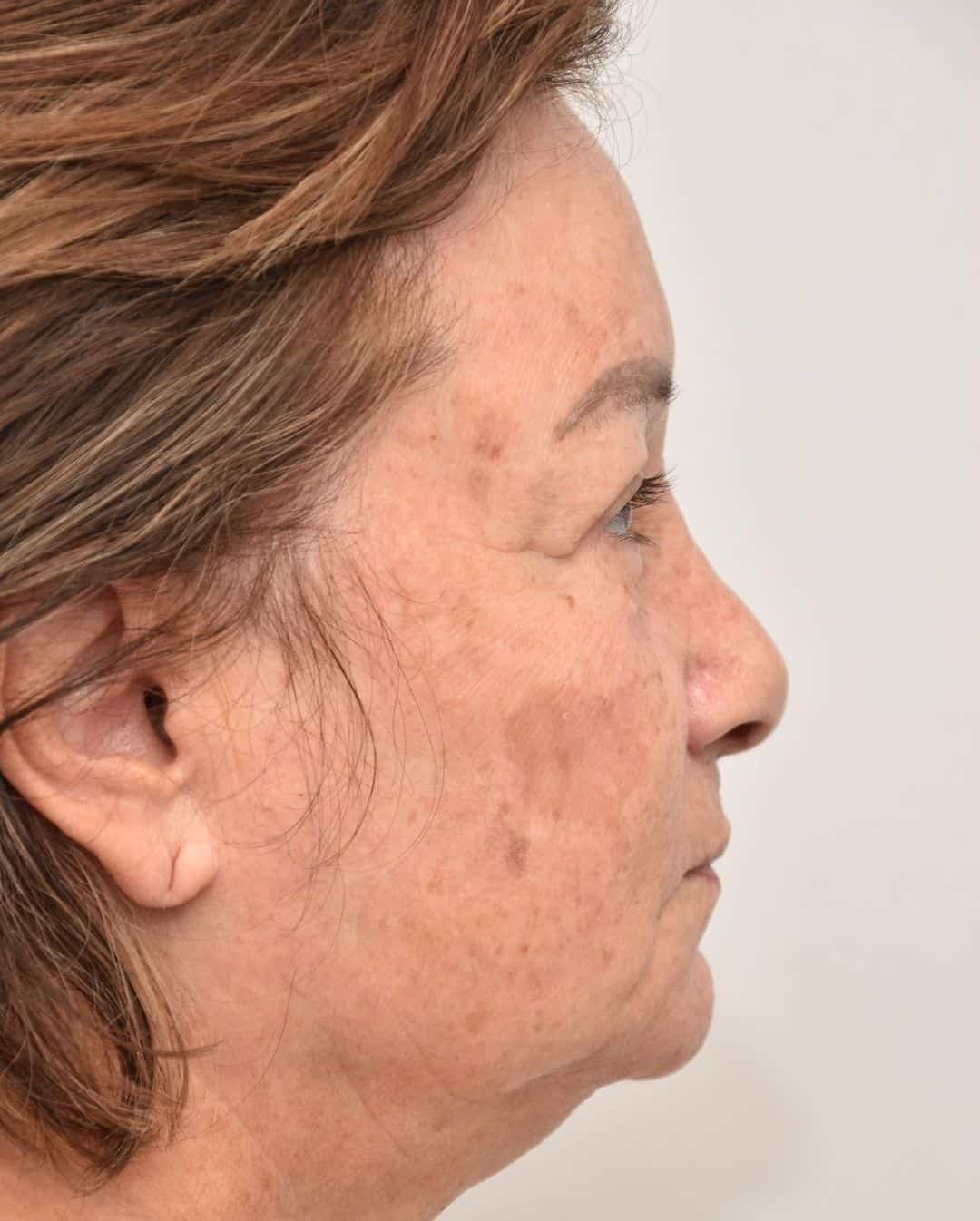
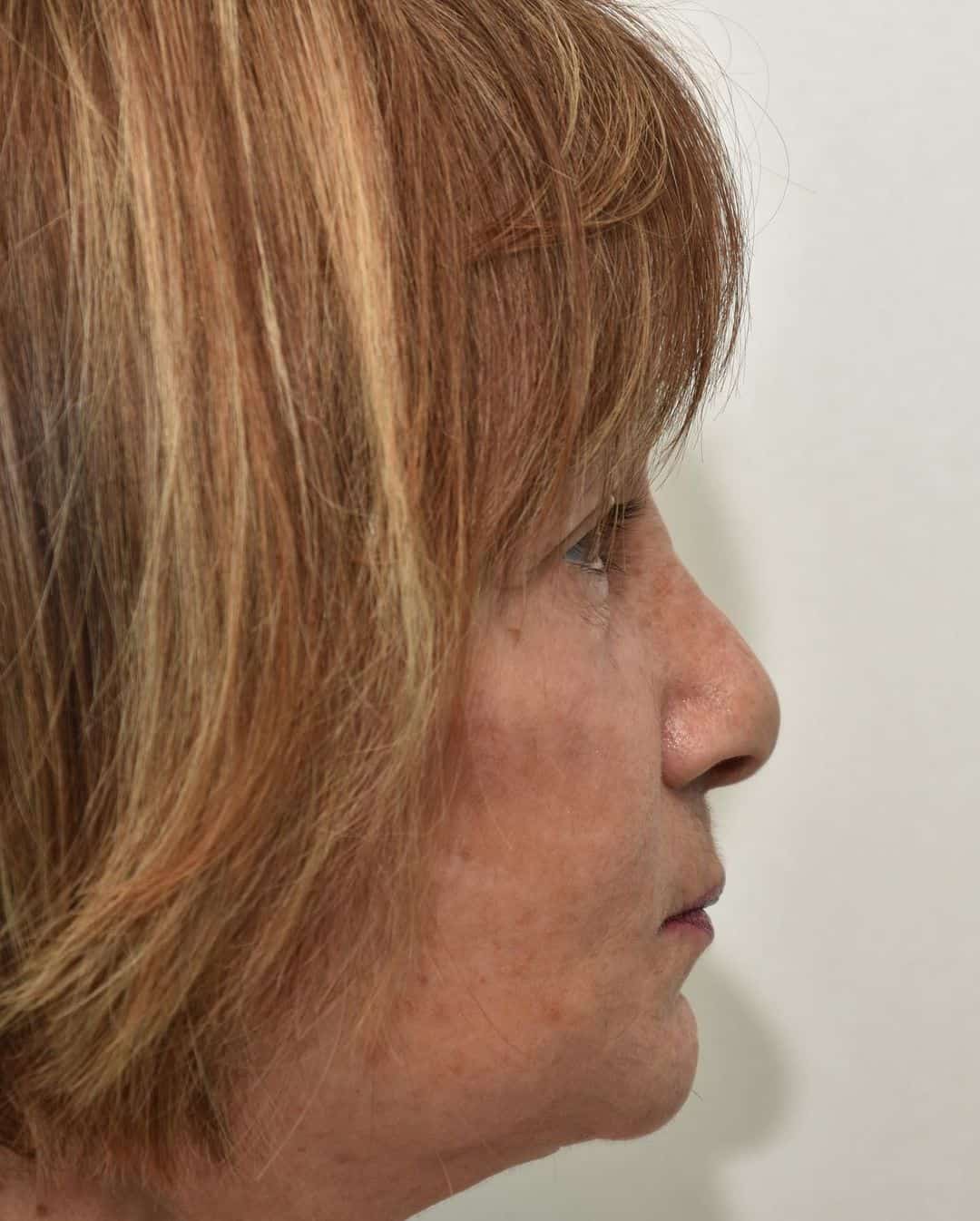
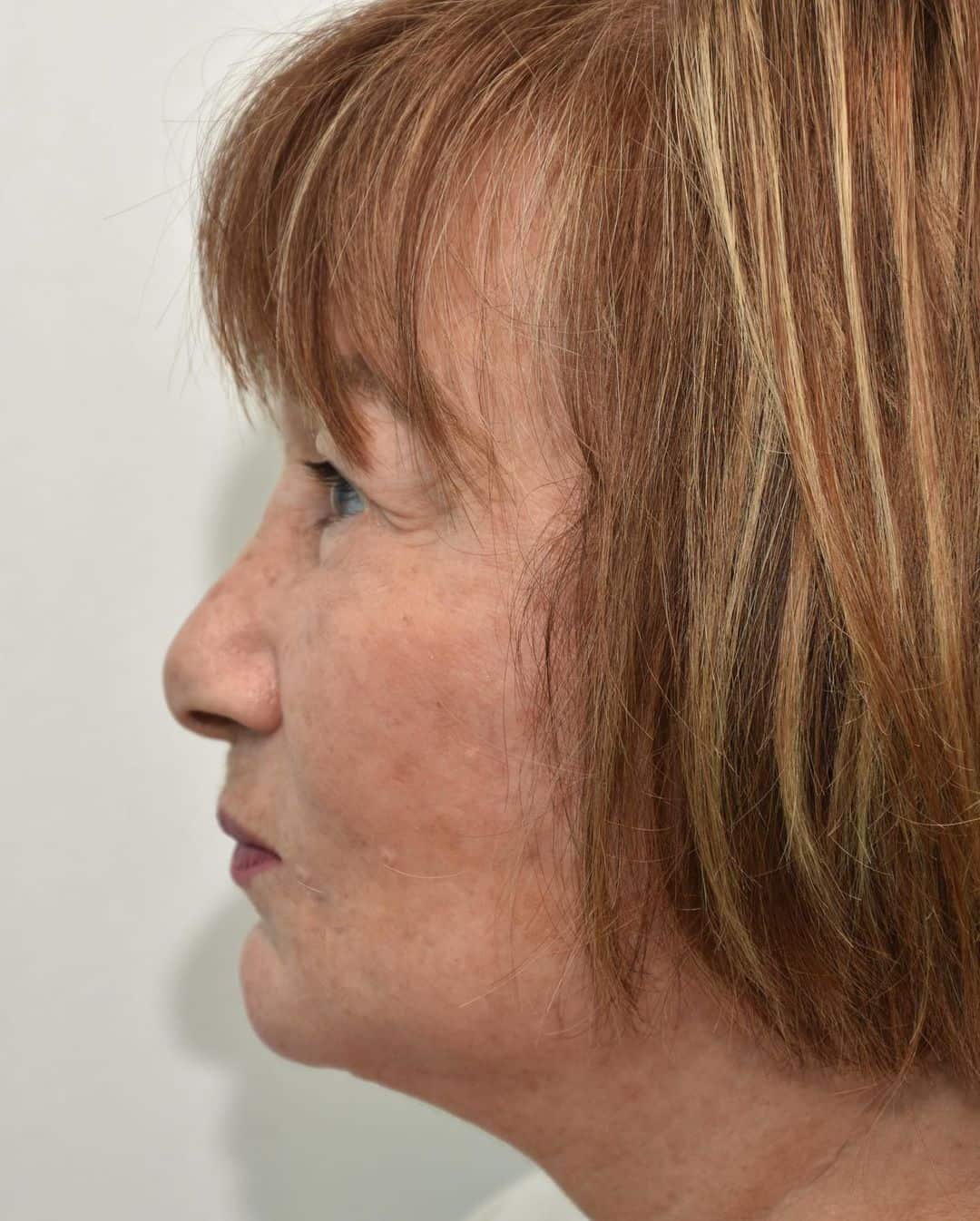
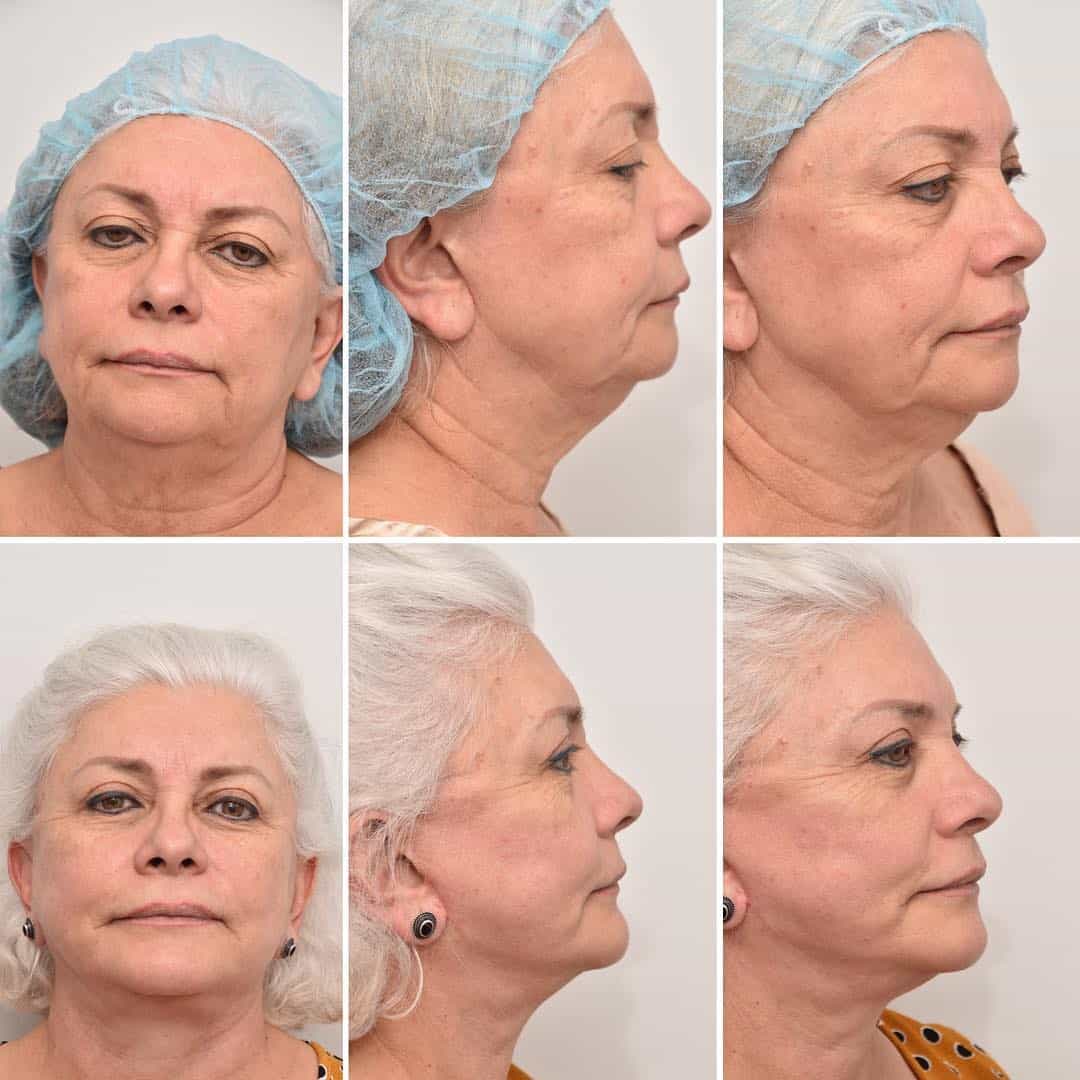
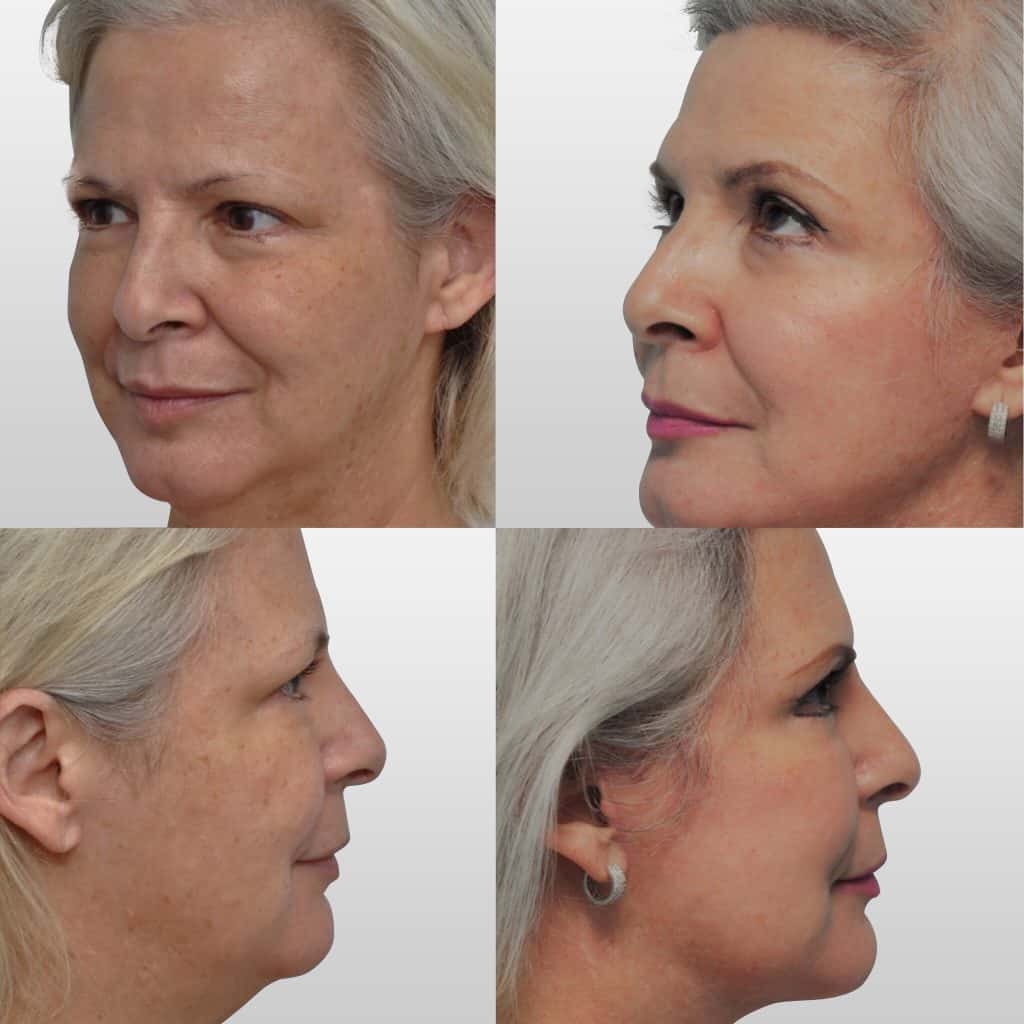
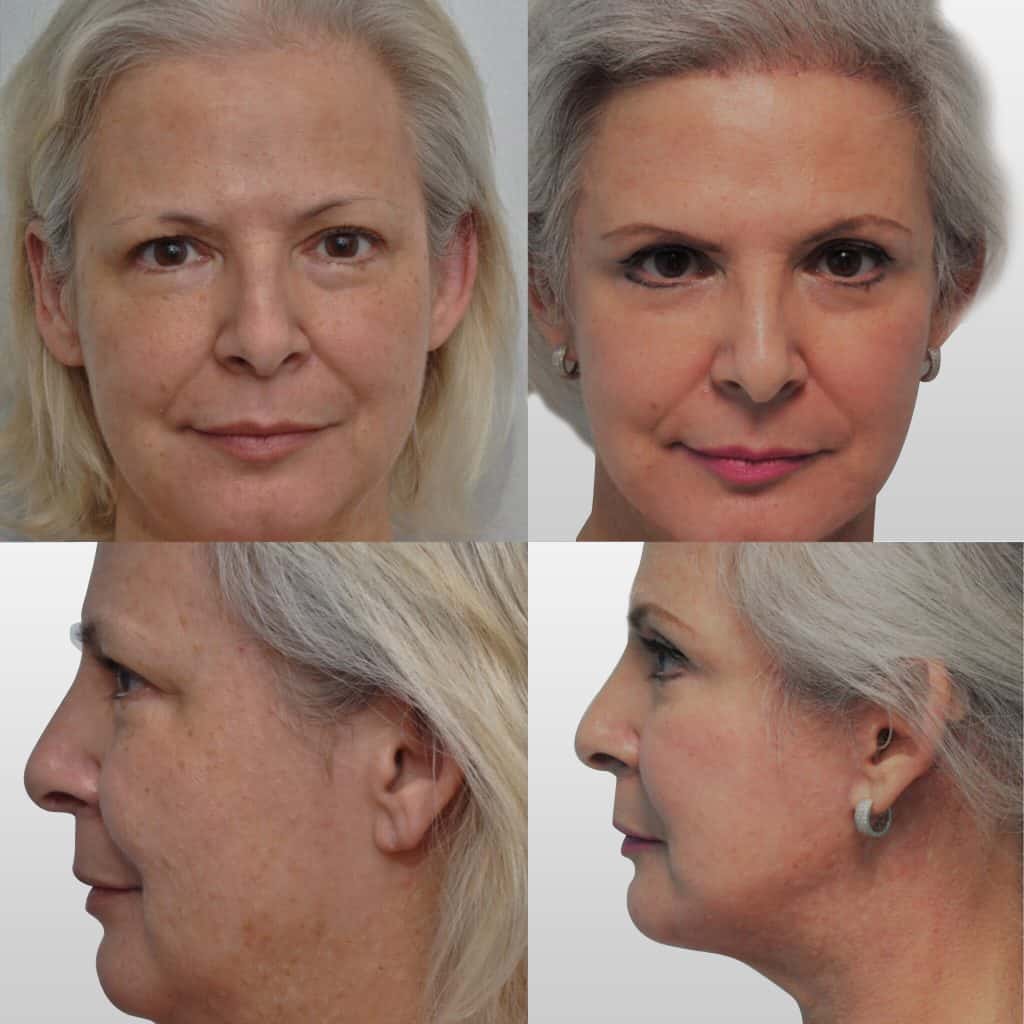
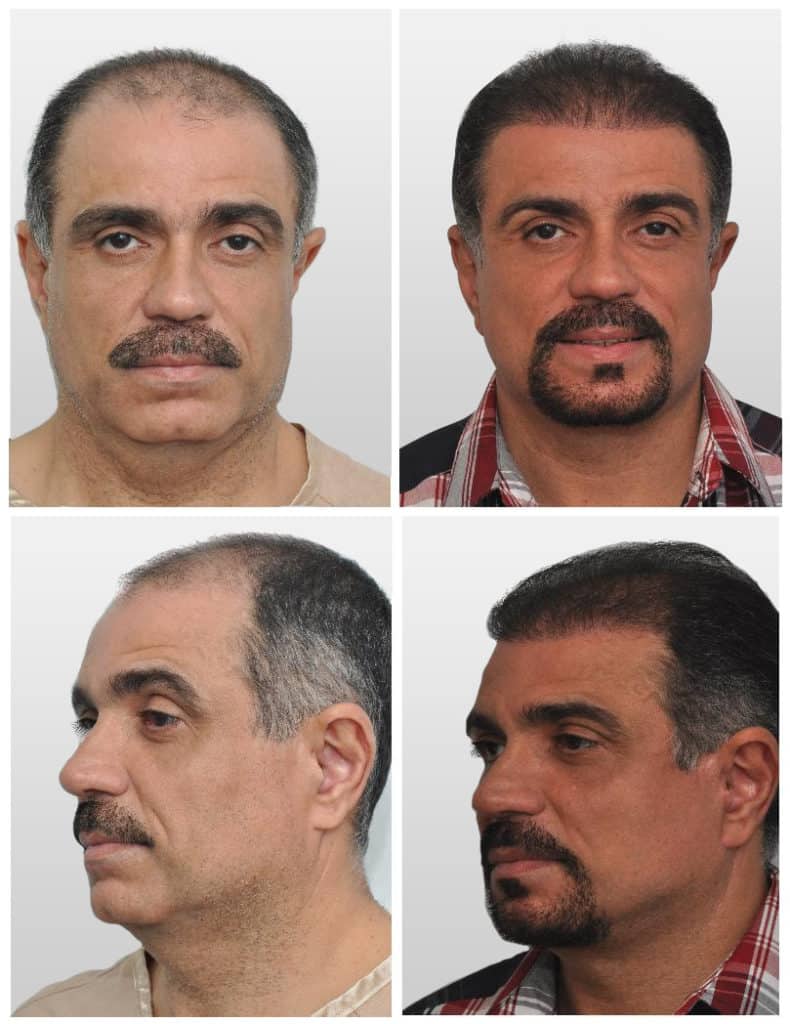
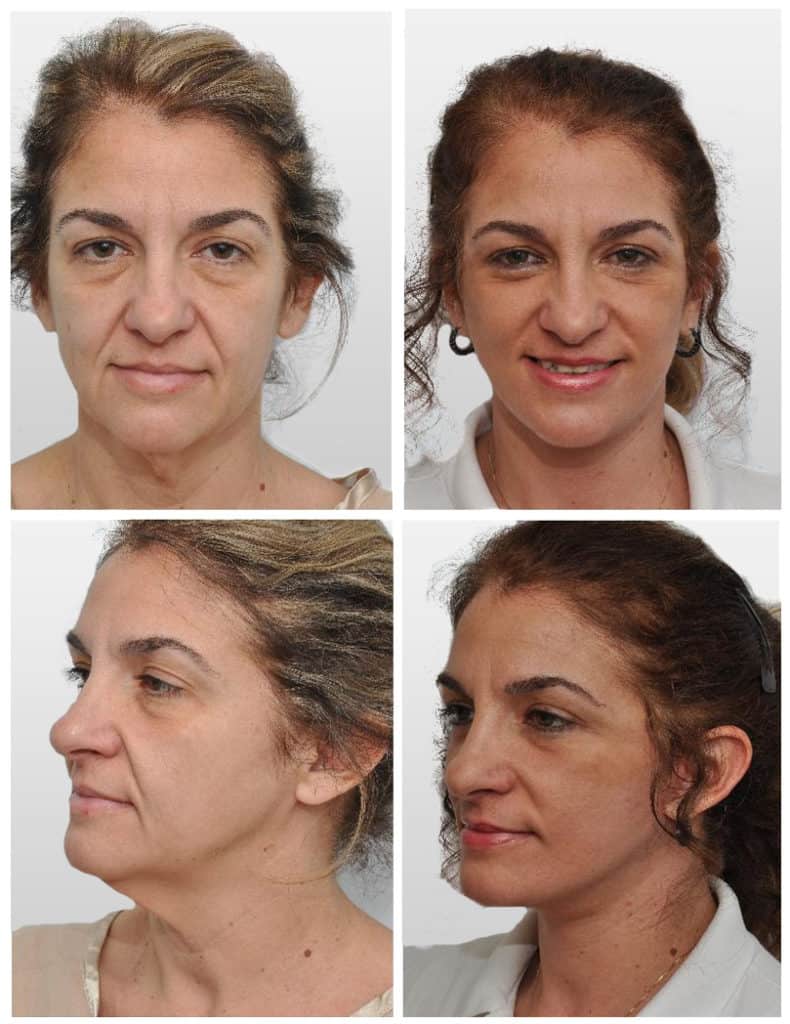
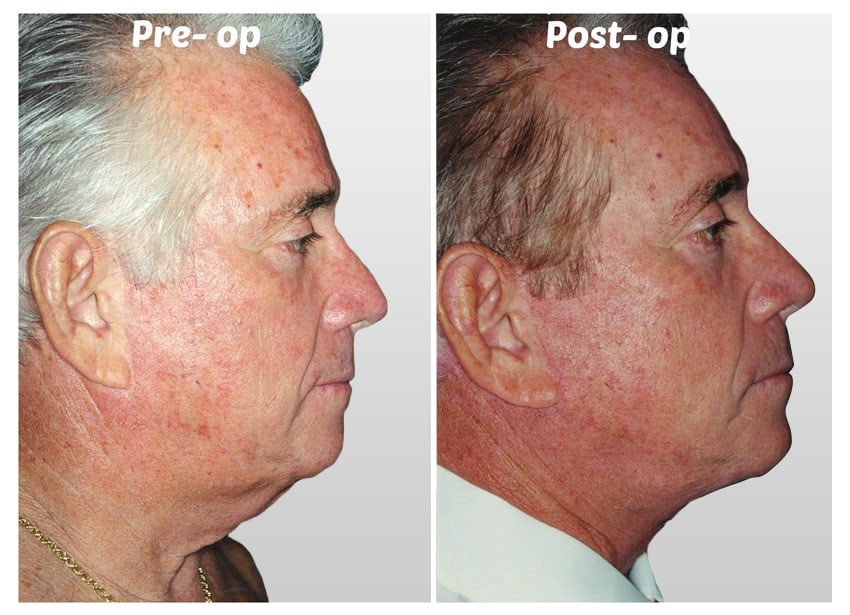
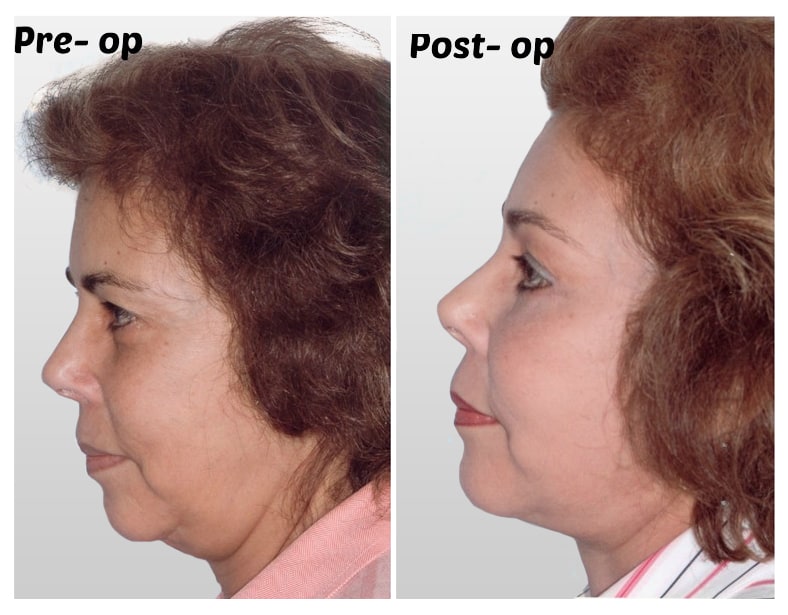
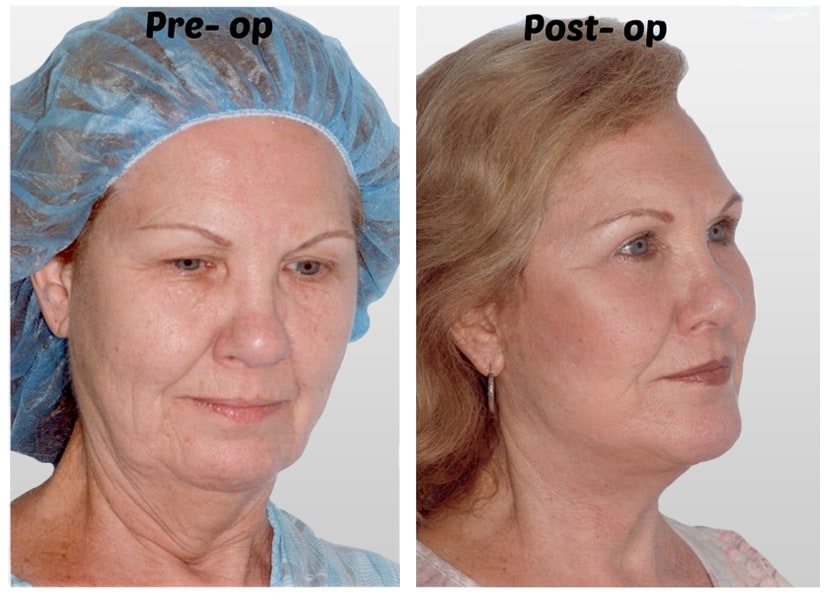
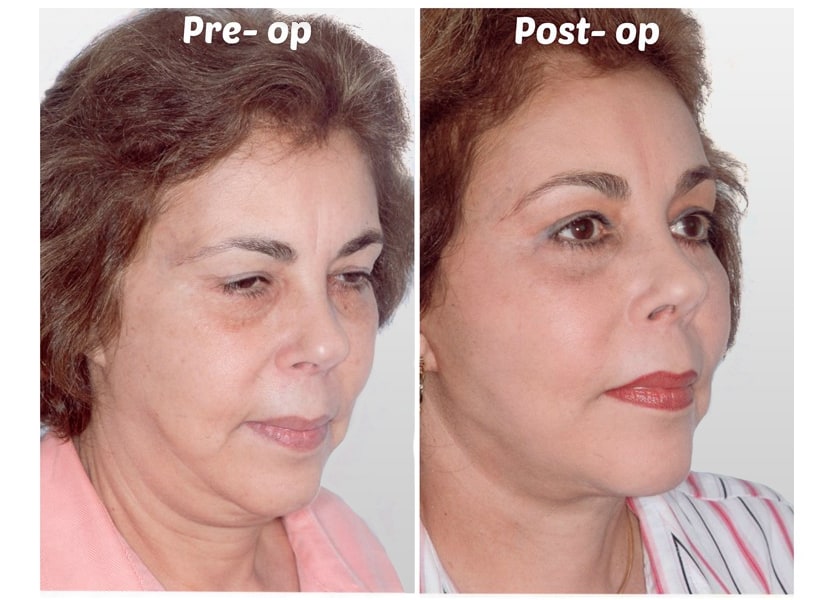
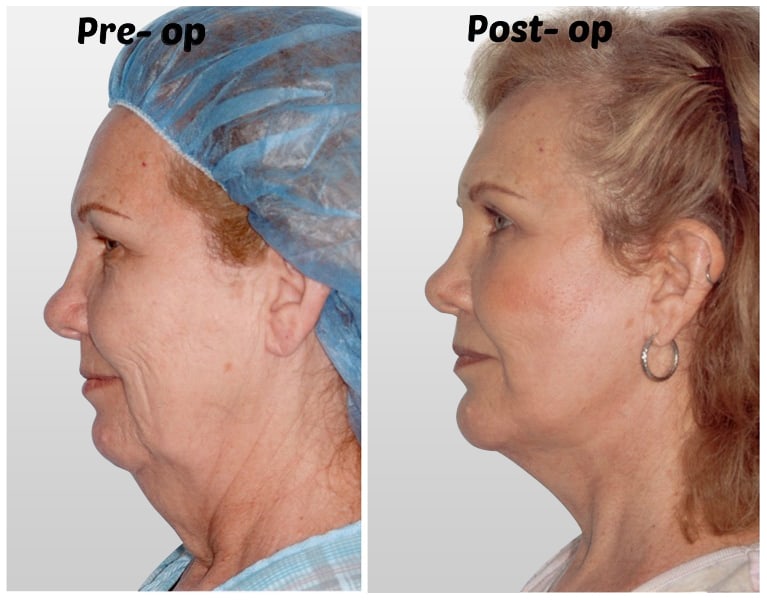
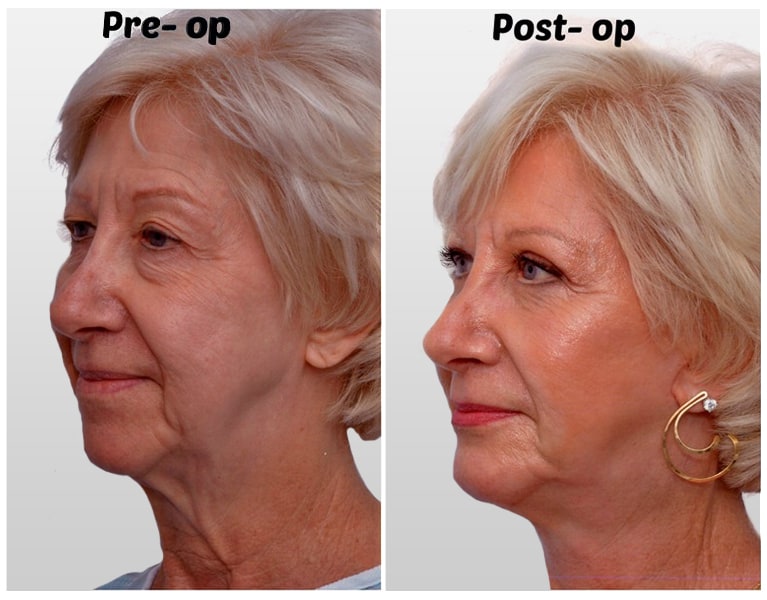
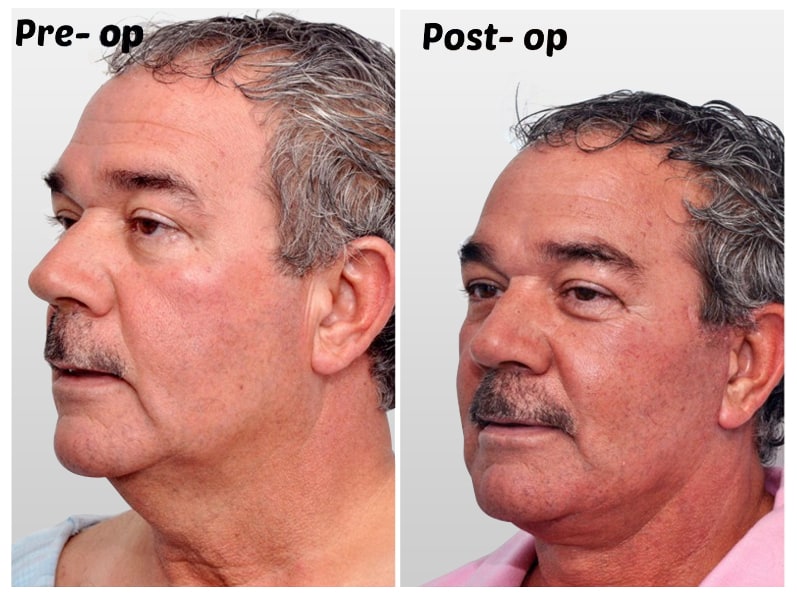
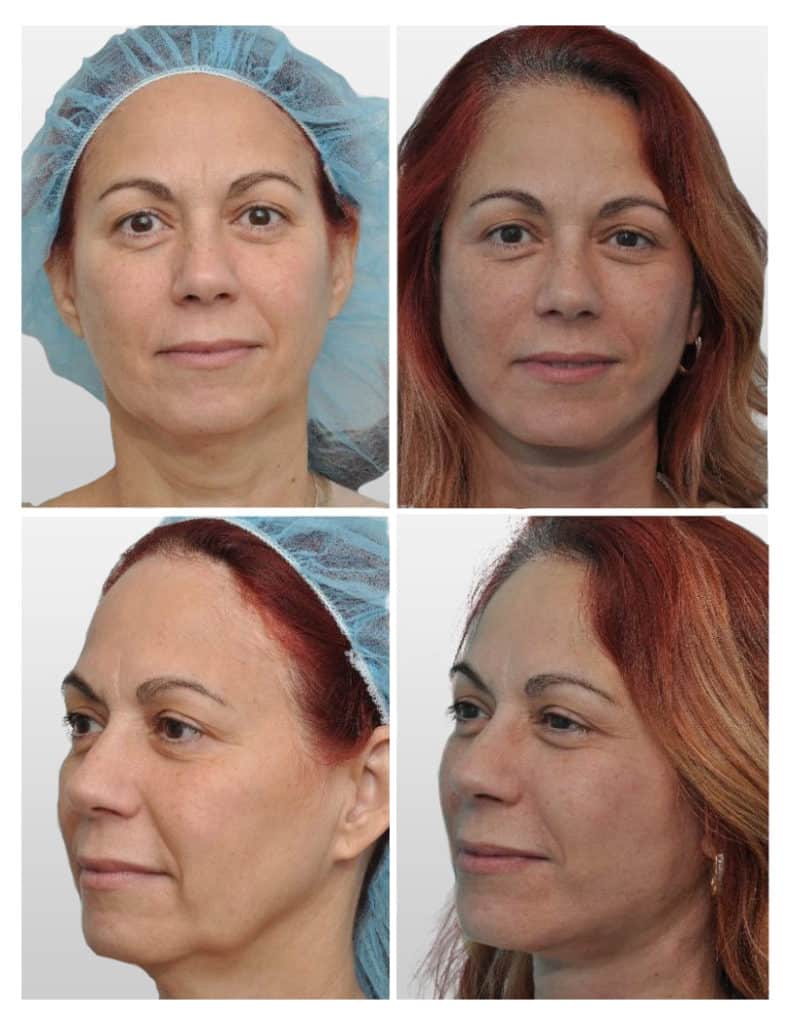
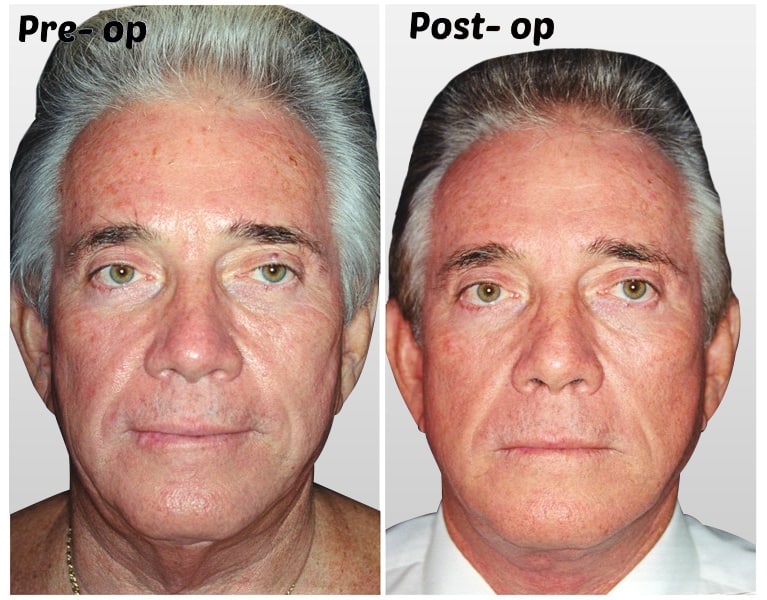
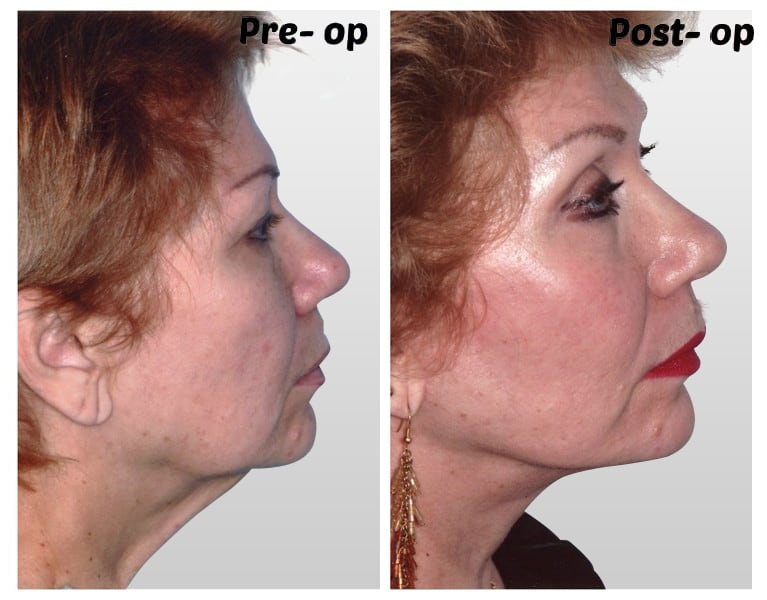
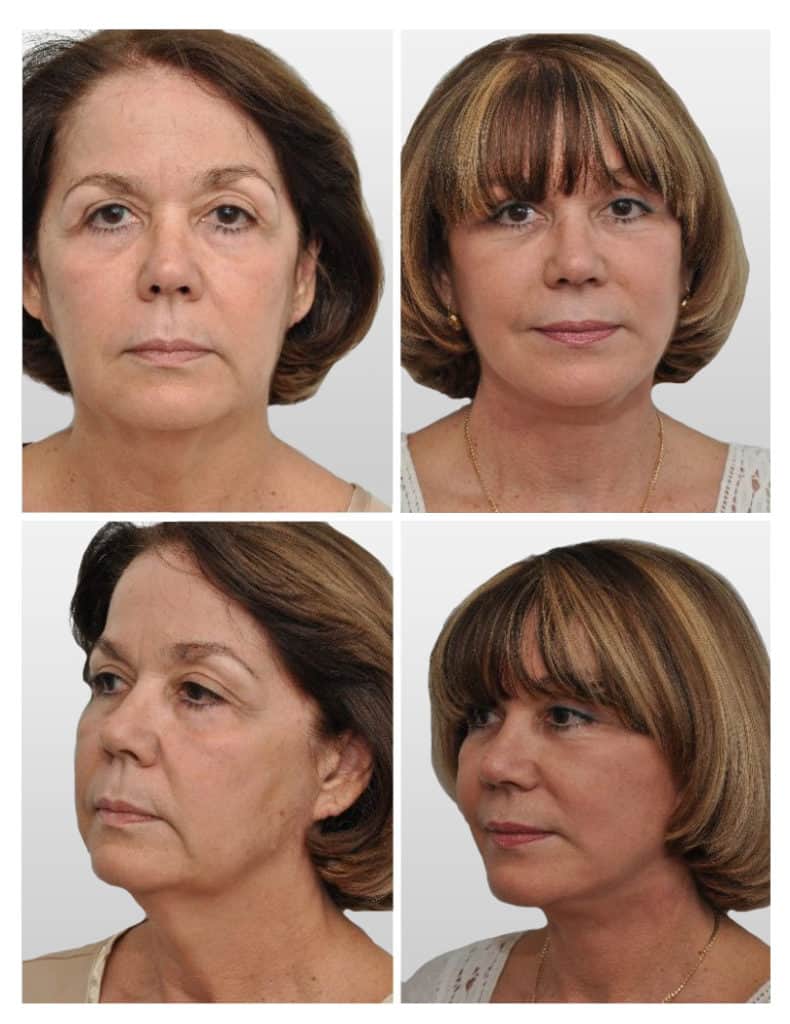
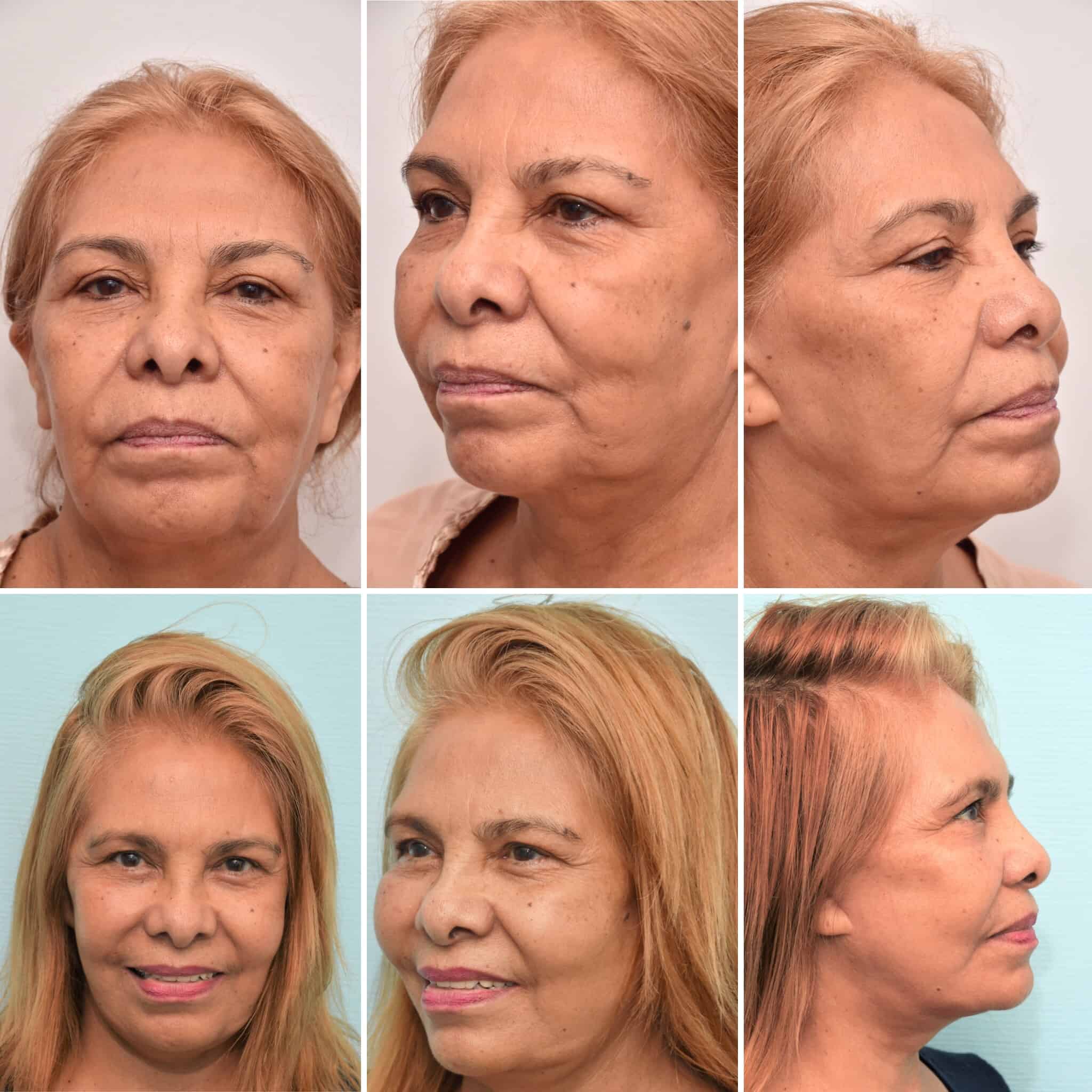
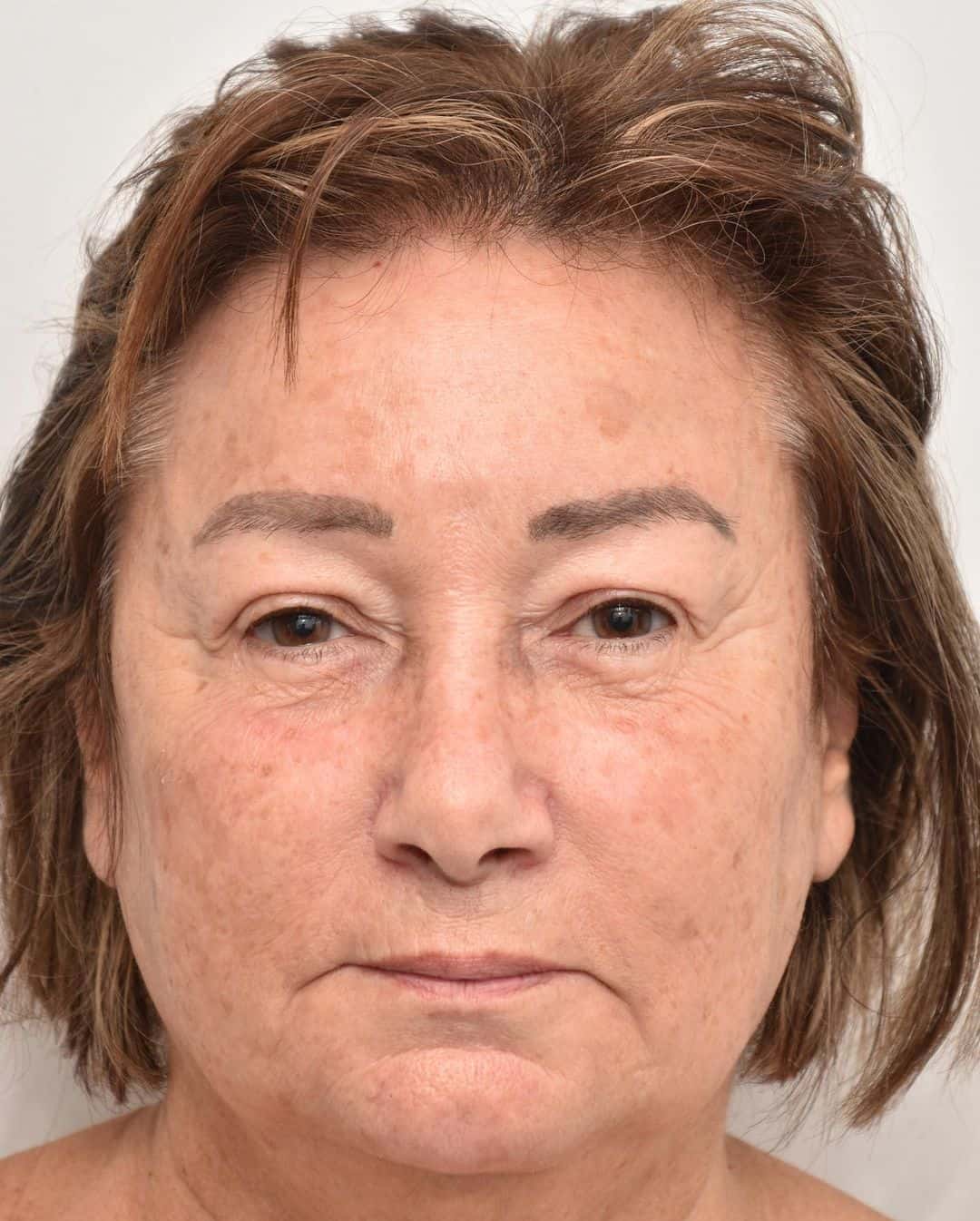
Facelift surgery in Miami, also called rhytidectomy, is a facial plastic surgery procedure that addresses visible aging in the lower face and jawline. Patients may consider facelift surgery for jowls, loose facial skin, deeper folds, or changes in facial contour that cannot be corrected with non-surgical treatments alone.

Dr. Carlos Spera evaluates each patient individually to review anatomy, skin quality, medical history, goals, risks, recovery, and whether facelift surgery or another face procedure is appropriate.

What is a facelift or rhytidectomy?

A facelift, medically known as rhytidectomy, is a surgical procedure that lifts and repositions selected facial tissues and removes excess skin when appropriate. The goal is to improve lower-face and jawline contour while maintaining realistic expectations about scars, recovery, and ongoing aging.

A facelift may be discussed with other procedures, such as neck lift, eyelid surgery, or skin treatments, depending on the patient’s anatomy and goals.

Am I a candidate for facelift surgery?

Good candidates are usually in good overall health, do not smoke or can stop nicotine use as instructed, and have realistic expectations about what facelift surgery can and cannot change.

  • You have jowls, loose lower-face skin, or jawline definition concerns.
  • You are bothered by deeper facial folds or skin laxity.
  • Your weight is reasonably stable.
  • You can follow recovery instructions and attend follow-up visits.
  • You understand that surgery involves scars and recovery time.

Patients with uncontrolled medical conditions, active nicotine use, or unrealistic expectations may need to delay surgery or consider other options.

What are the benefits of facelift surgery in Miami?

The potential benefits of facelift surgery vary by patient. For appropriate candidates, facelift surgery may improve the appearance of jowls, loose lower-face skin, and jawline contour.

  • Lower-face contour: Facelift surgery can address selected sagging tissues and skin laxity.
  • Jawline definition: The procedure may improve the transition between the lower face and neck.
  • Procedure planning: Facelift surgery can be tailored to anatomy, skin quality, and goals.
  • Related options: Patients may also discuss neck lift, blepharoplasty, or skin resurfacing when appropriate.

Results are individualized and continue to change with healing and aging.

How is facelift surgery performed?

Facelift technique depends on facial anatomy, skin laxity, tissue position, incision planning, and whether the neck is treated at the same time. Incisions are usually planned around the hairline and ear area so Dr. Spera can lift and reposition selected tissues and remove excess skin.

Fat may be adjusted in selected areas, and deeper support layers may be tightened or repositioned depending on the surgical plan. Dr. Spera reviews the incision plan, anesthesia, surgical setting, and recovery expectations during consultation.

Schedule Your Consultation Now

What should I expect on the day of facelift surgery?

Facelift surgery may be performed in an outpatient surgical facility or hospital setting depending on the surgical plan and patient factors. Anesthesia may include general anesthesia or sedation based on the procedure and medical considerations.

Before surgery, the team reviews your plan, confirms instructions, and prepares the treatment areas. Procedure length varies depending on technique and whether other procedures are combined.

How should I prepare for facelift surgery in Miami?

Preparation begins with a consultation and medical review. Dr. Spera may review medical conditions, prior surgeries, medications, supplements, allergies, nicotine use, alcohol use, and any history of bleeding, poor healing, or anesthesia concerns.

  • Complete requested lab work, medical clearance, or imaging if needed.
  • Stop nicotine use as instructed.
  • Avoid certain medications or supplements when directed.
  • Arrange transportation and help at home after surgery.
  • Prepare for swelling, bruising, limited activity, and follow-up visits.

What are the risks of facelift surgery?

Facelift surgery has risks. Possible risks include bleeding, hematoma, infection, scarring, delayed healing, skin loss, hairline changes, asymmetry, facial nerve injury, numbness or sensation changes, fluid collection, contour irregularity, anesthesia-related complications, and the need for revision surgery.

Scars are expected and usually change over time, but they do not disappear completely. Dr. Spera reviews your personal risk factors and recovery instructions before surgery.

How long is facelift recovery?

Facelift recovery varies by patient and technique. Swelling, bruising, tightness, numbness, and tenderness are common early. Dressings, drains, or compression may be used depending on the plan.

Many patients return to light daily activities before returning to strenuous exercise or social events. Dr. Spera provides instructions for incision care, sleeping position, medications, activity limits, and follow-up visits.

Why choose Dr. Carlos Spera for facelift surgery in Miami?

Dr. Carlos Spera is a board-certified plastic surgeon serving Miami and Doral patients considering facelift surgery. His consultation process focuses on anatomy, skin quality, incision planning, safety considerations, recovery, and realistic expectations.

If you are considering facelift surgery in Miami, schedule a consultation to review candidacy, options, risks, scars, recovery timeline, and whether related procedures may be appropriate.

Frequently Asked Questions

A facelift, or rhytidectomy, is surgery that lifts and repositions selected facial tissues and removes excess skin when appropriate. It is commonly used to address jowls, lower-face laxity, and jawline contour concerns.

Candidacy depends on health, anatomy, skin laxity, goals, nicotine use, medications, and recovery ability. Dr. Spera reviews these factors during consultation.

Incisions are usually planned around the hairline and ear area. Dr. Spera lifts and repositions selected tissues, adjusts excess skin, and may address related neck or facial concerns depending on the plan.

Recovery varies. Swelling, bruising, tightness, numbness, and tenderness are common early. Activity limits and follow-up visits help guide healing.

Facelift surgery requires incisions, so scars are expected. Scar placement depends on technique. Scars usually change over time but do not disappear completely.

Facelift results vary. Surgery can improve selected signs of facial aging, but the aging process continues. Weight changes, sun exposure, skin quality, and lifestyle factors can affect long-term appearance.

Dr. Carlos Spera provides individualized facelift consultations for Miami and Doral patients, reviewing anatomy, surgical options, risks, scars, recovery, and realistic expectations before recommending a plan.

Schedule Your Consultation
Dr. Spera

Please complete the form below to have a representative contact you promptly about our services.